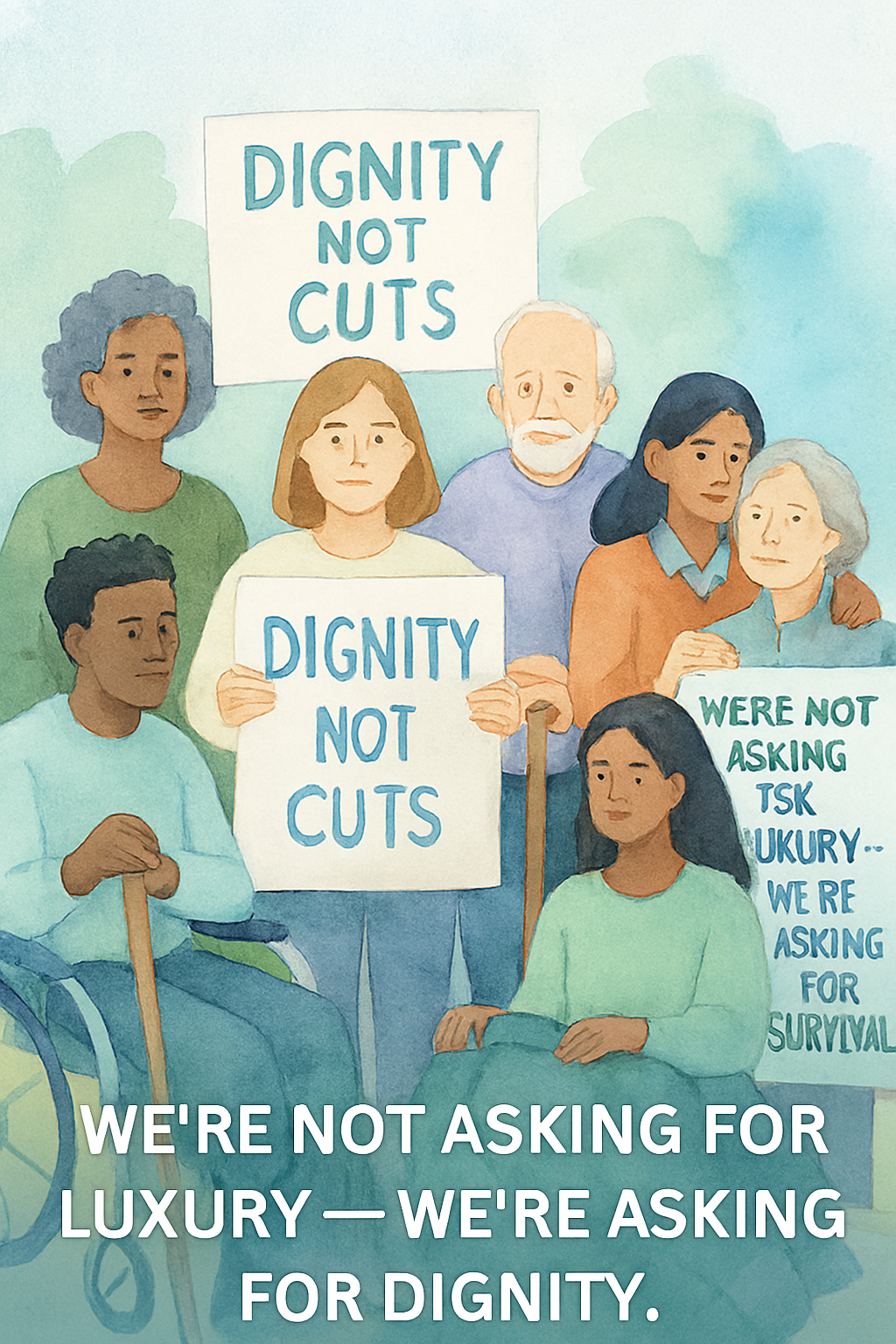
The UK government claims the upcoming 2026 Personal Independence Payment (PIP) reforms will make the system “fairer and more sustainable.” But disabled people, charities, and advocacy groups say the opposite: these changes will reduce support, deepen poverty, and punish the vulnerable.
This blog amplifies the voices of those most affected — and explains why the reforms are not just unfair, but dangerous.
🚨 What’s Changing in 2026?
The government is planning a full overhaul of PIP, including:
- Assessment reform: A new system may replace the current point-based scoring, but details remain vague.
- Digital-first evaluations: More online assessments could exclude those with cognitive or sensory impairments.
- Work-focused incentives: The “Right to Try” guarantee may pressure disabled people into unsuitable jobs.
- Potential benefit replacement: Experts have proposed scrapping PIP entirely for a new, less generous system.
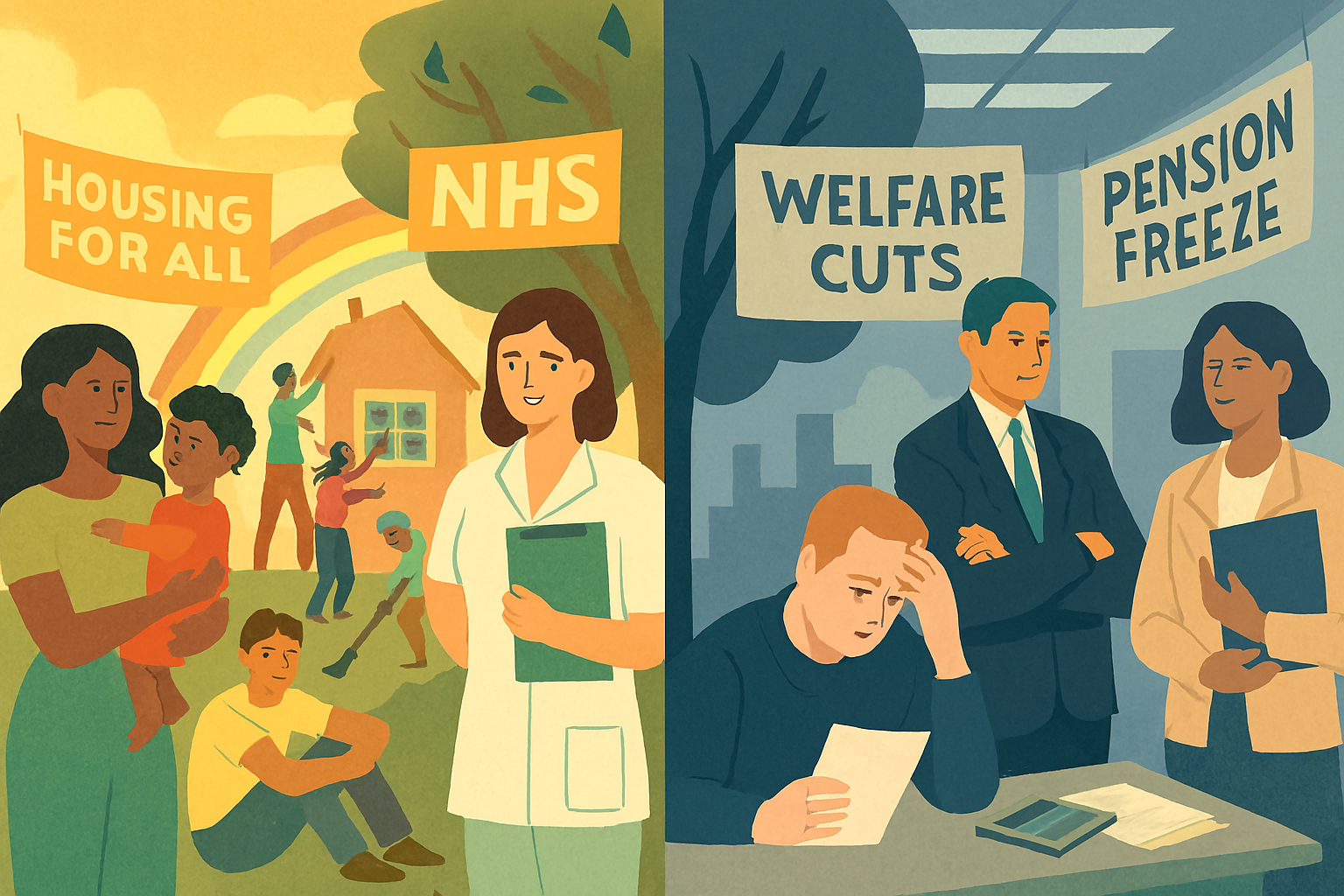
- £20 billion in welfare cuts: These reductions will disproportionately affect disabled people and pensioners.
🧾 The Reality: Cuts, Not Care
- 800,000 disabled people could lose PIP by 2030, according to Community Care.
- The DWP’s own fraud data shows PIP fraud is statistically negligible — close to 0%, yet claimants are treated with suspicion.
- Disabled people already face higher living costs, from mobility aids to heating bills — PIP helps cover those essentials.
- Charities warn of “deepening disability poverty” if reforms go ahead without protections.
🧠 What Disabled People Are Saying
“We’re not asking for luxury — we’re asking for dignity.” “The system already fails many. These reforms will make it worse.” “I live with chronic pain and mental illness. PIP helps me survive. Without it, I’d lose my independence.”
These are not isolated stories. They reflect a national crisis — one that demands empathy, not austerity.
🏛️ A Missed Opportunity to Rebuild
After COVID‑19, the UK had a chance to rebuild — just as Clement Attlee did after WWII. Instead, the government is proposing cuts that will leave disabled people behind.
If Labour wants to honour its legacy, it must listen to disabled voices and protect the support they rely on.
💡 Final Thought
The 2026 PIP reforms are not fair. They are not compassionate. And they are not what disabled people need.
True reform means listening, supporting, and empowering — not cutting, blaming, and excluding. The disabled community deserves better. And they deserve to be heard.
Disclaimer: Kind Health Hub provides content for general informational and educational purposes only. While every effort is made to ensure accuracy, details about products, services, policies, and lifestyle guidance may change over time. Readers should always verify information directly with manufacturers, healthcare providers, or official sources before making decisions. The content does not constitute medical, nutritional, financial, or legal advice, and any recommendations are shared for general guidance only.

One comment on “⚖️ Why the 2026 PIP Reforms Are Unfair: Voices from the Disabled Community”
Comments are closed.