While it is possible to work with mental illness, many people face significant barriers:
- Getting a job: Stigma and discrimination often make employers hesitant to hire people with psychiatric conditions
- Remaining in employment: Fluctuating symptoms, hospital appointments, or side effects from medication can make consistent attendance difficult
- Progression to higher‑paid roles: Stress, workplace pressure, and lack of accommodations can prevent people from advancing in their careers
- Invisible struggles: Unlike physical disabilities, psychiatric disorders are often unseen, making it harder for others to understand the daily challenges
This means that even when individuals are capable of working, they may not be able to sustain long‑term, stable, or well‑paid employment.
🌍 Why PIP Is Essential
PIP exists to level the playing field. For people with psychiatric disorders, it provides:
- Financial stability: A safety net when work is not possible or sustainable
- Independence: Support for daily living costs, transport, and essential needs
- Recognition: Acknowledgement that mental illness is as real and impactful as physical disability
- Fairness: Ensuring that those who cannot access high‑paid jobs or steady employment are not left behind
📰 Respect and Security Matter
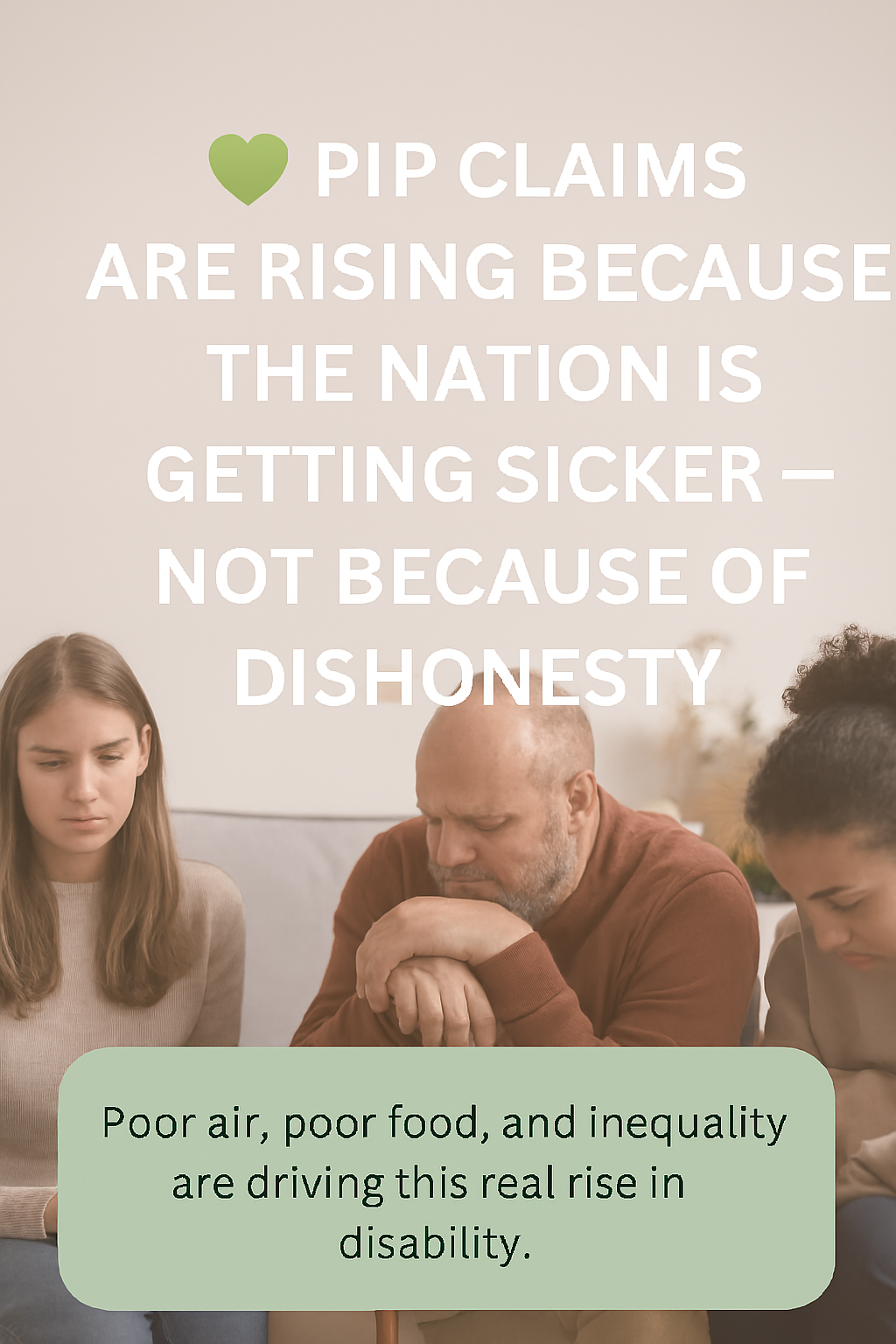
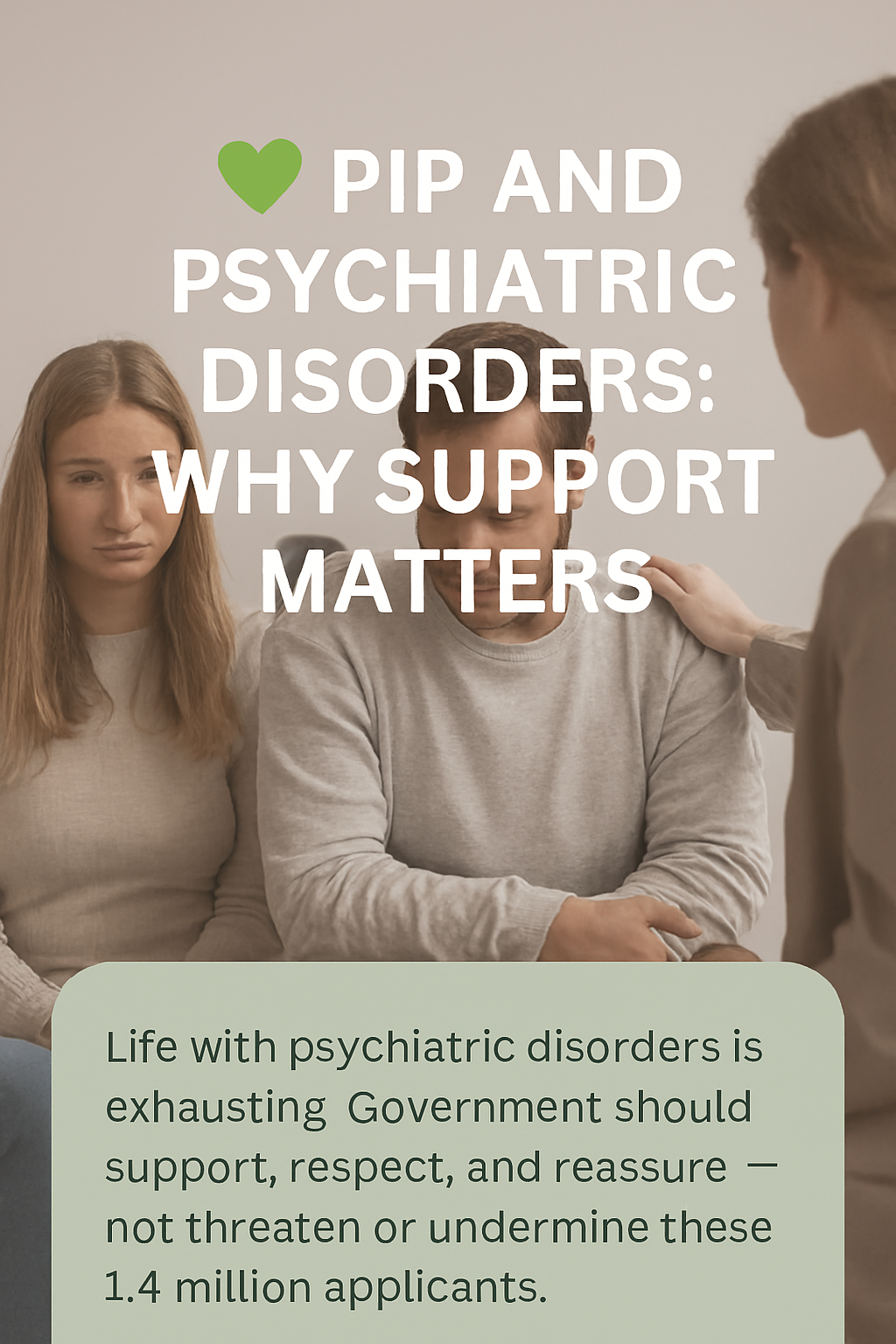
It is vital that the government respects the difficulties this group of people face. Living with psychiatric disorders is already exhausting and unpredictable — and the constant threat in newspapers of losing PIP through policy changes or alterations can be extremely damaging.
This uncertainty adds stress, anxiety, and fear to lives already burdened by mental illness. For many, PIP is not just financial support — it is stability, dignity, and reassurance. Undermining that through speculation or threats risks worsening mental health outcomes and eroding trust in the system.
🧠 Mental Illness and Physical Disability Often Coexist
It’s important to recognise that psychiatric disorders and physical disabilities often overlap. Many people living with mental illness also face long-term physical health challenges — from chronic pain and fatigue to mobility issues and sensory impairments.
- According to the Mental Health Foundation, 37.6% of people with severe mental health symptoms also have long-term physical conditions.
- This co-occurrence, known as comorbidity, can make daily life even more difficult — affecting energy levels, independence, and access to work or support.
This means that many PIP applicants are not just managing mental health — they’re navigating complex, multi-layered health challenges. They deserve respect, understanding, and consistent support.
💡 Final Thought
Mental illness can make life unpredictable, exhausting, and financially precarious. While many people do work with psychiatric conditions, countless others struggle to find or keep employment. PIP is not a luxury — it is a lifeline. Supporting people with psychiatric disorders through PIP ensures dignity, independence, and fairness in a society that still has far to go in understanding mental
Disclaimer: Kind Health Hub provides content for general informational and educational purposes only. While every effort is made to ensure accuracy, details about products, services, policies, and lifestyle guidance may change over time. Readers should always verify information directly with manufacturers, healthcare providers, or official sources before making decisions. The content does not constitute medical, nutritional, financial, or legal advice, and any recommendations are shared for general guidance only.