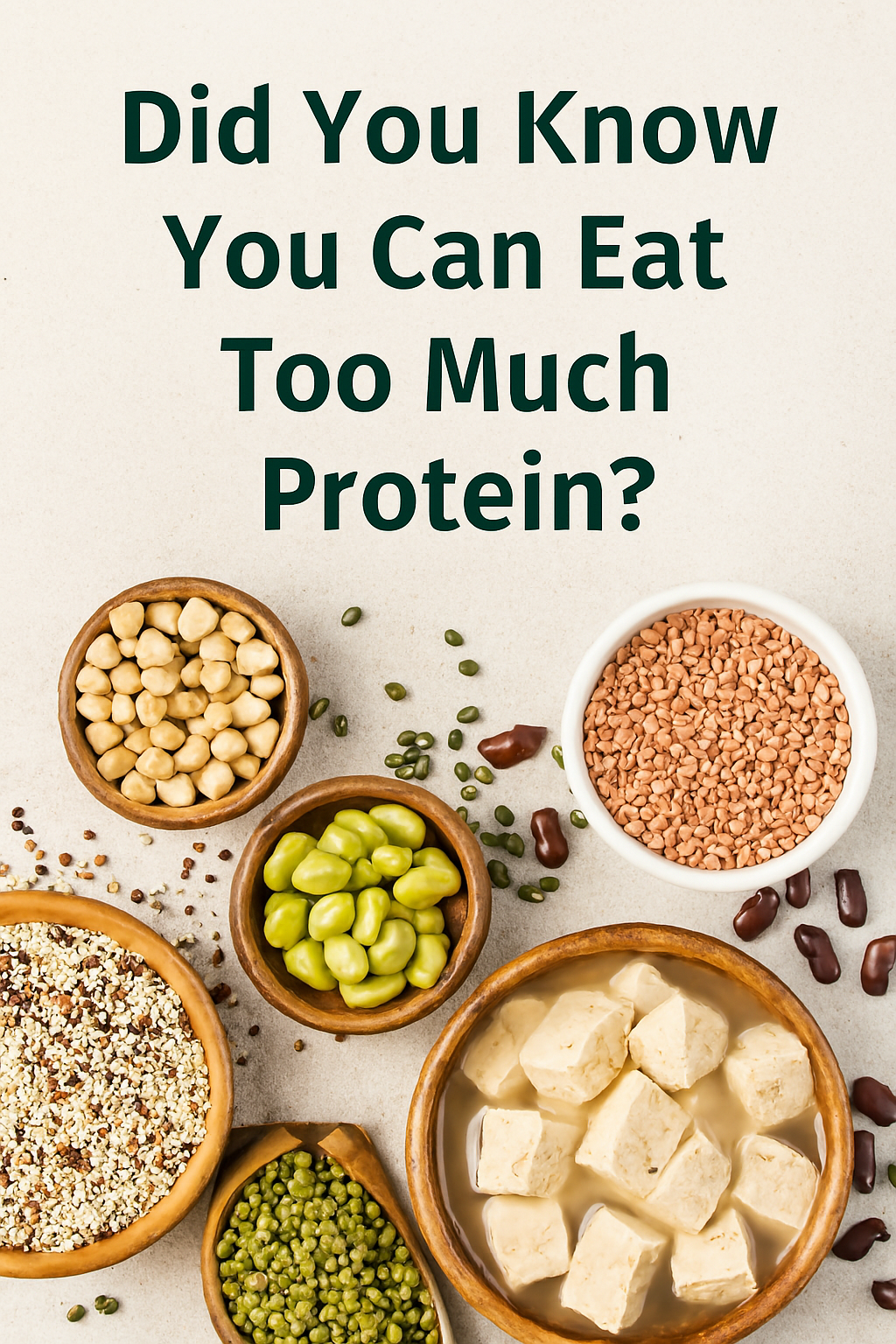
Yes — and it’s more common than you might think. Many people assume that eating more protein will automatically lead to better health, faster muscle growth, or weight loss. But the truth is more nuanced.
1. Kidney Stress and Metabolic Load
When you consume excess protein, your body produces more nitrogen waste — a byproduct of amino acid metabolism. This waste must be filtered by your kidneys. While healthy kidneys can handle moderate increases, consistently high protein intake may increase the risk of kidney strain, especially in people with pre-existing conditions.
2. Nutrient Imbalance
Focusing too heavily on protein can crowd out other essential nutrients. If your meals are dominated by protein-rich foods, you may miss out on fiber, antioxidants, vitamins, and healthy fats — all of which play critical roles in digestion, heart health, and disease prevention.
3. Digestive Discomfort
Excess protein can lead to bloating, constipation, or sluggish digestion, particularly if your diet lacks fiber. This is common in high-protein, low-carb diets that minimize plant-based foods.
4. Caloric Overload
Protein contains 4 calories per gram — just like carbohydrates. If you eat more protein than your body needs, those extra calories can contribute to weight gain. Contrary to popular belief, your body doesn’t store protein like it stores fat or carbs. Surplus protein is either used for energy or converted into fat.
How Much Protein Do You Actually Need?
The recommended daily intake for protein is around 0.8 grams per kilogram of body weight for the average adult. That’s roughly 56 grams per day for men and 46 grams per day for women, though needs vary based on age, activity level, and health status.
Athletes, pregnant people, and those recovering from illness may require more — but even then, there’s a limit to how much protein the body can use effectively. Studies show that consuming more than 2 grams per kilogram of body weight per day offers no additional benefit for most people and may increase health risks.
Protein from Diverse Sources
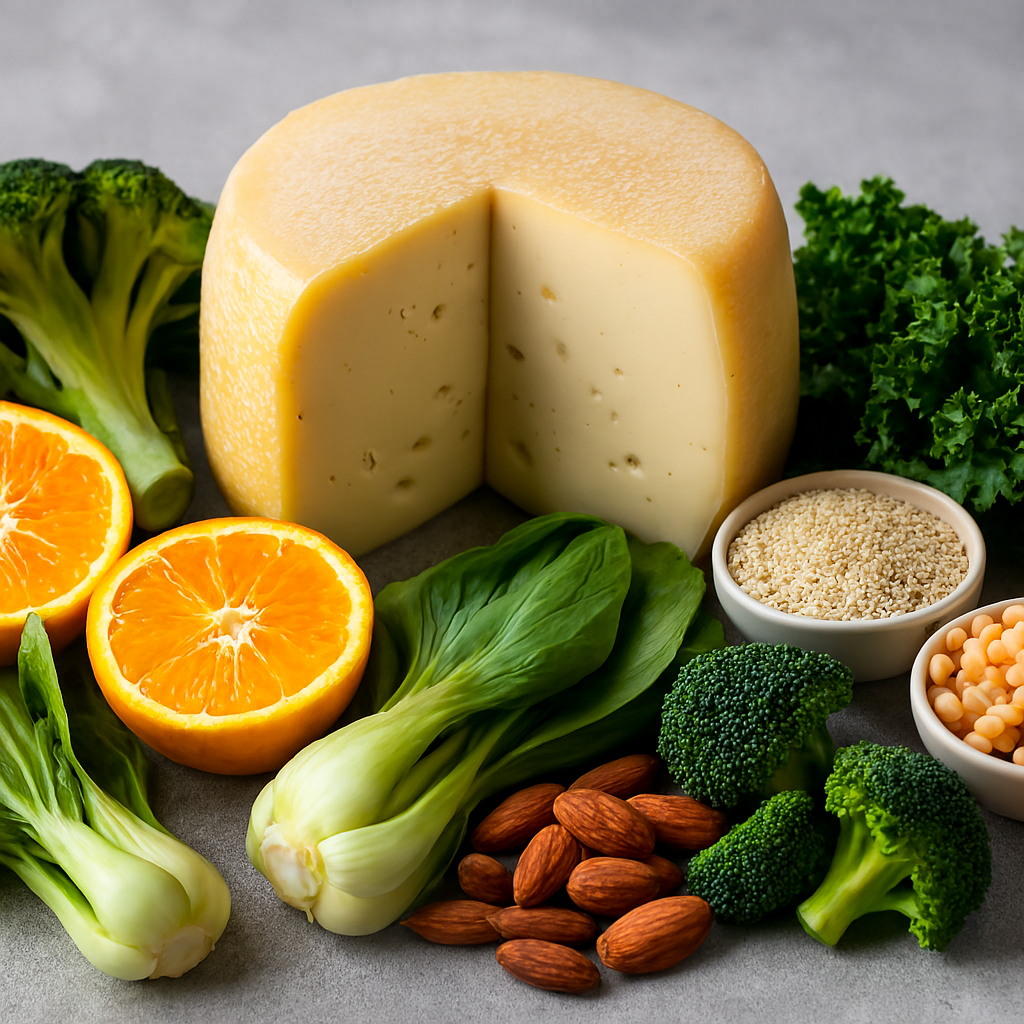
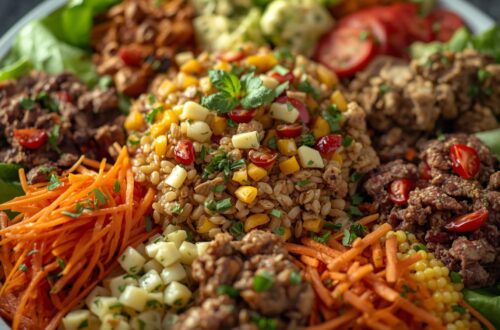
One of the healthiest ways to meet your protein needs is through variety. Beans, lentils, tofu, chickpeas, quinoa, nuts, seeds, and leafy greens all contain protein — often alongside fiber, minerals, and antioxidants. These foods support gut health, reduce inflammation, and promote long-term wellbeing.
You don’t need to rely on animal products or supplements to hit your protein goals. A balanced, whole-food diet can provide everything your body needs — without the risks of overconsumption.
Final Thoughts: Balance Over Excess
Protein is vital, but it’s not a magic bullet. Eating more than your body requires can lead to nutrient imbalances, digestive issues, and unnecessary strain. At Kind Health Hub, we encourage mindful eating — where balance, variety, and evidence-based choices guide your nutrition.
So next time you reach for that extra scoop of protein powder or double up on high-protein snacks, ask yourself: Is this helping my body — or just feeding a myth?
Disclaimer: Kind Health Hub provides content for general informational and educational purposes only. While every effort is made to ensure accuracy, details about products, services, policies, and lifestyle guidance may change over time. Readers should always verify information directly with manufacturers, healthcare providers, or official sources before making decisions. The content does not constitute medical, nutritional, financial, or legal advice, and any recommendations are shared for general guidance only.

7 Comments on “Did You Know You Can Eat Too Much Protein?”
Comments are closed.