Hint: It’s Not Just Meat and Shakes
Protein is one of the most talked-about nutrients—especially in wellness circles. But there’s a lot of confusion (and marketing hype) around where it comes from and how our bodies actually use it.
Let’s clear that up.

🧬 Your Body Makes Its Own Protein
Here’s the truth: your body doesn’t absorb “protein” whole. It breaks down the protein you eat into amino acids—the real building blocks. Then it reassembles those amino acids into the exact proteins it needs: for muscles, hormones, enzymes, immune cells, and more.
Think of it like Lego. You don’t need a finished Lego castle—you need the right bricks to build your own.
Complete vs. Incomplete Proteins: A Misleading Myth
You might’ve heard that only animal products contain “complete” protein (all 9 essential amino acids). But that’s outdated.
- All plant foods contain amino acids.
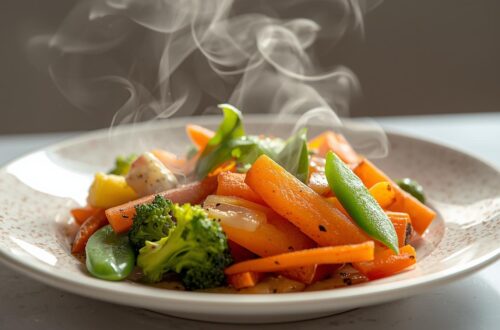
- Some may be lower in one or two, but when you eat a variety—like rice and beans, hummus and pita, or tofu and broccoli—your body gets everything it needs.
- You don’t even have to combine them in the same meal. Your body pools amino acids over time.
So yes, you can absolutely get high-quality protein from plants.
Where Do Animals Get Their Protein?
Here’s the kicker: animals get their amino acids from plants. Cows eat grass. Chickens eat grains. Fish eat algae (or other fish that ate algae). So when you eat animal products, you’re getting recycled plant protein.
Cutting out the middle-animal and going straight to the source? That’s efficient—and often healthier.
How Much Protein Do You Really Need?
Most adults need about 0.8 grams of protein per kilogram of body weight per day. That’s around:
- 45–55g for most women
- 55–70g for most men
And yes, you can hit those numbers easily with whole plant foods like:
- Lentils, chickpeas, and beans
- Tofu, tempeh, and edamame
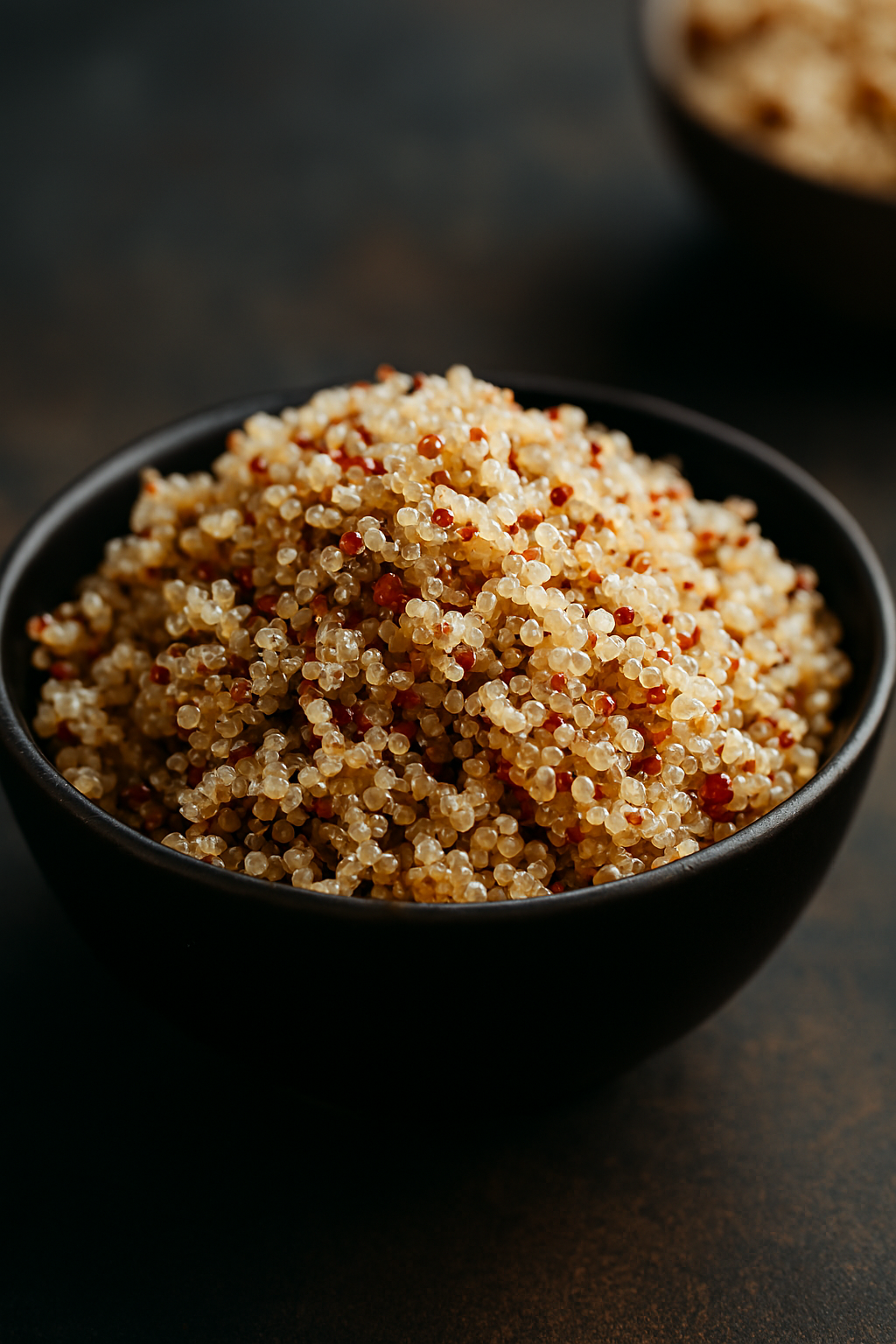
- Nuts, seeds, and whole grains
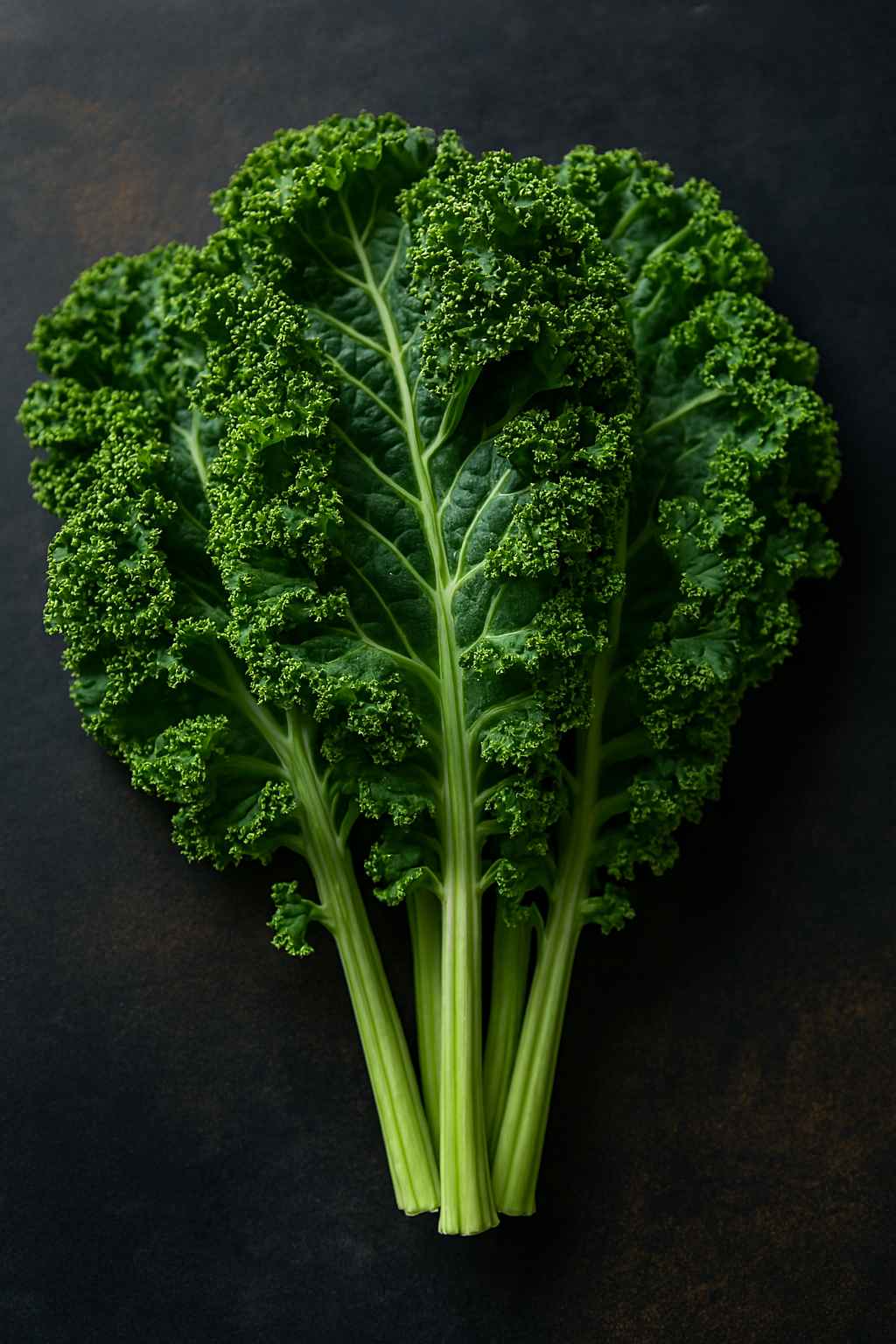
- Leafy greens and even potatoes (they all contribute!)
🌍 Protein Without the Baggage
Plant-based protein doesn’t just nourish your body—it’s often lower in saturated fat, free from cholesterol, and lighter on the planet. It’s protein with benefit
Disclaimer: Kind Health Hub provides content for general informational and educational purposes only. While every effort is made to ensure accuracy, details about products, services, policies, and lifestyle guidance may change over time. Readers should always verify information directly with manufacturers, healthcare providers, or official sources before making decisions. The content does not constitute medical, nutritional, financial, or legal advice, and any recommendations are shared for general guidance only.