The Evolutionary Case for Fruit-Based Eating
When we think about human diets, we often default to modern norms—meat, dairy, processed foods. But if we zoom out and look at our biology, a different picture emerges. One that suggests humans may be naturally frugivorous—biologically adapted to thrive on fruit and plant-based foods.
Let’s explore the evidence.
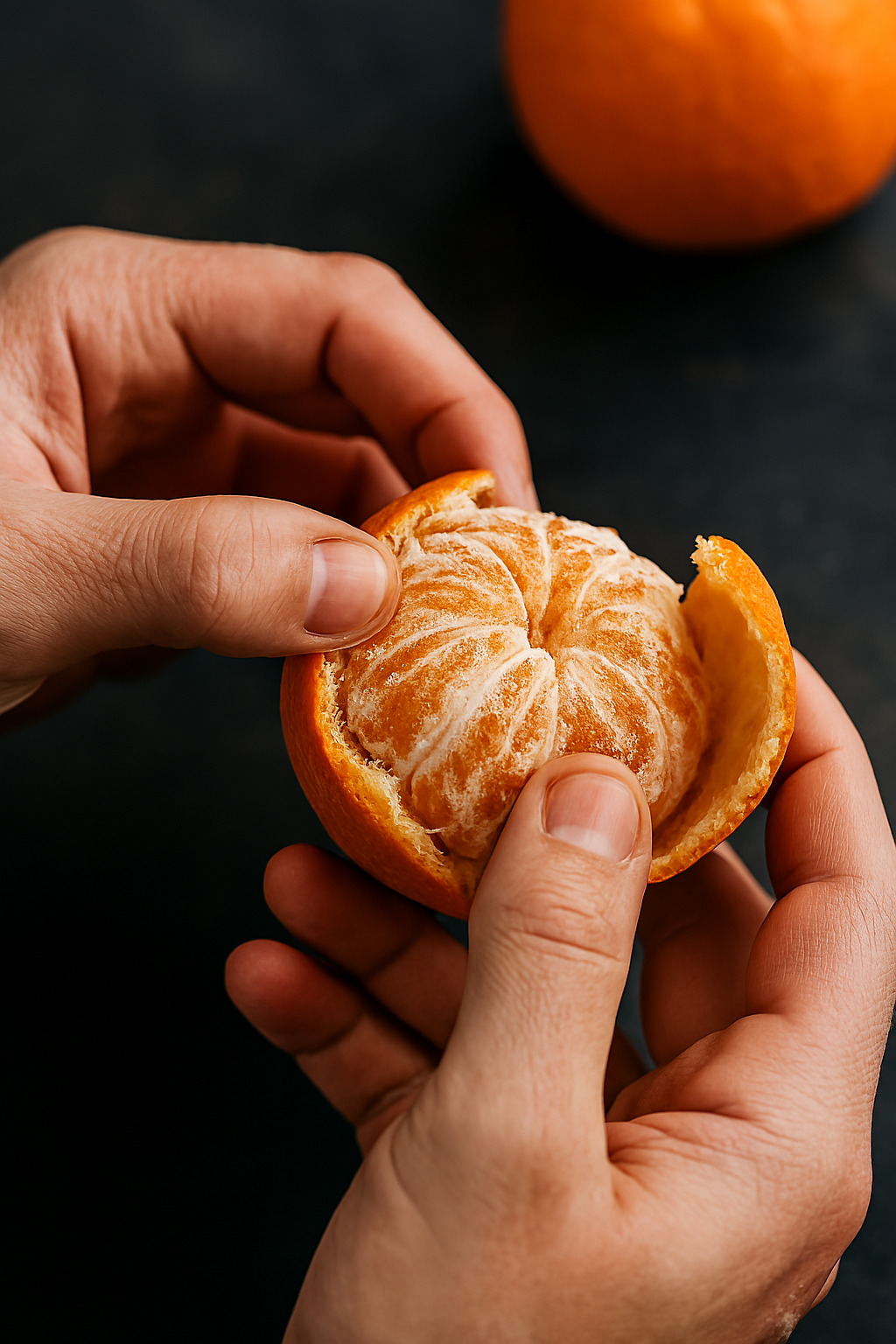
Hands Made for Fruit
Human hands are uniquely suited for:
- Grasping and peeling fruit with precision
- Climbing and reaching for fruit in trees
- Delicate manipulation, not tearing flesh or cracking bones
Our nails, fingertips, and opposable thumbs are perfect for opening soft-skinned fruits—not for hunting or ripping raw meat.
Vision Tuned to Ripeness
Humans have trichromatic color vision—we see red, green, and blue. This is rare in mammals and especially useful for:
- Spotting ripe fruit among green foliage
- Judging freshness and edibility by color
- Avoiding toxins, which often appear in unnatural hues
Carnivores, by contrast, rely more on motion and scent than color. Our eyes evolved to see fruit, not chase prey.
Teeth and Jaw: Built for Chewing Plants
Our dental structure tells a story:
- Flat molars for grinding fiber-rich foods
- Small canines, unlike the fangs of true carnivores
- Side-to-side jaw motion, ideal for chewing—not tearing
We’re designed to break down fibrous plant matter, not raw flesh and bone.
Craving Sweet, Not Blood
Humans are naturally drawn to:
- Sweetness, a signal of energy-rich, safe-to-eat fruit
- Colorful, fragrant foods, not the scent of decay or blood
- Complex flavors, often found in plants, herbs, and spices
Our taste buds and olfactory system evolved to favor fruit and vegetation—not raw meat.
Digestive System: Long and Plant-Friendly
Compared to carnivores, humans have:
- A long colon and small intestine, ideal for fermenting fiber and absorbing nutrients slowly
- Low stomach acidity, unlike meat-eaters who need strong acid to kill pathogens
- A gut microbiome that thrives on fiber, polyphenols, and plant diversity
This setup favors slow digestion of plant matter—not rapid breakdown of animal flesh.
Nutritional Needs: Met by Plants

Humans require:
- Vitamin C, which is abundant in fruit but absent in meat
- Fiber, essential for gut health and disease prevention
- Phytonutrients, antioxidants, and anti-inflammatory compounds found only in plants
While meat provides protein and B12, it lacks many of the nutrients our bodies crave daily.
🌿 So… Are We Frugivores?

Not exclusively. Humans are adaptive omnivores—we can eat a wide range of foods. But our biology strongly favors a plant-rich, fruit-forward diet. It’s what we’re built for. And it’s what supports long-term health, energy, and disease prevention.
Modern diets may have strayed from our roots—but our bodies haven’t forgotten.
Disclaimer: Kind Health Hub provides content for general informational and educational purposes only. While every effort is made to ensure accuracy, details about products, services, policies, and lifestyle guidance may change over time. Readers should always verify information directly with manufacturers, healthcare providers, or official sources before making decisions. The content does not constitute medical, nutritional, financial, or legal advice, and any recommendations are shared for general guidance only.



One comment on “Are Humans Natural Frugivores?”
Comments are closed.