Yes—but not the way you think.
You may have heard that hormone replacement therapy (HRT) estrogen is “made from yams.” It sounds natural, even comforting. But what does that actually mean? Can you just eat more yams or rub on some yam cream and get the same benefits?
Let’s break down the science.
🌿 The Power of the Wild Yam
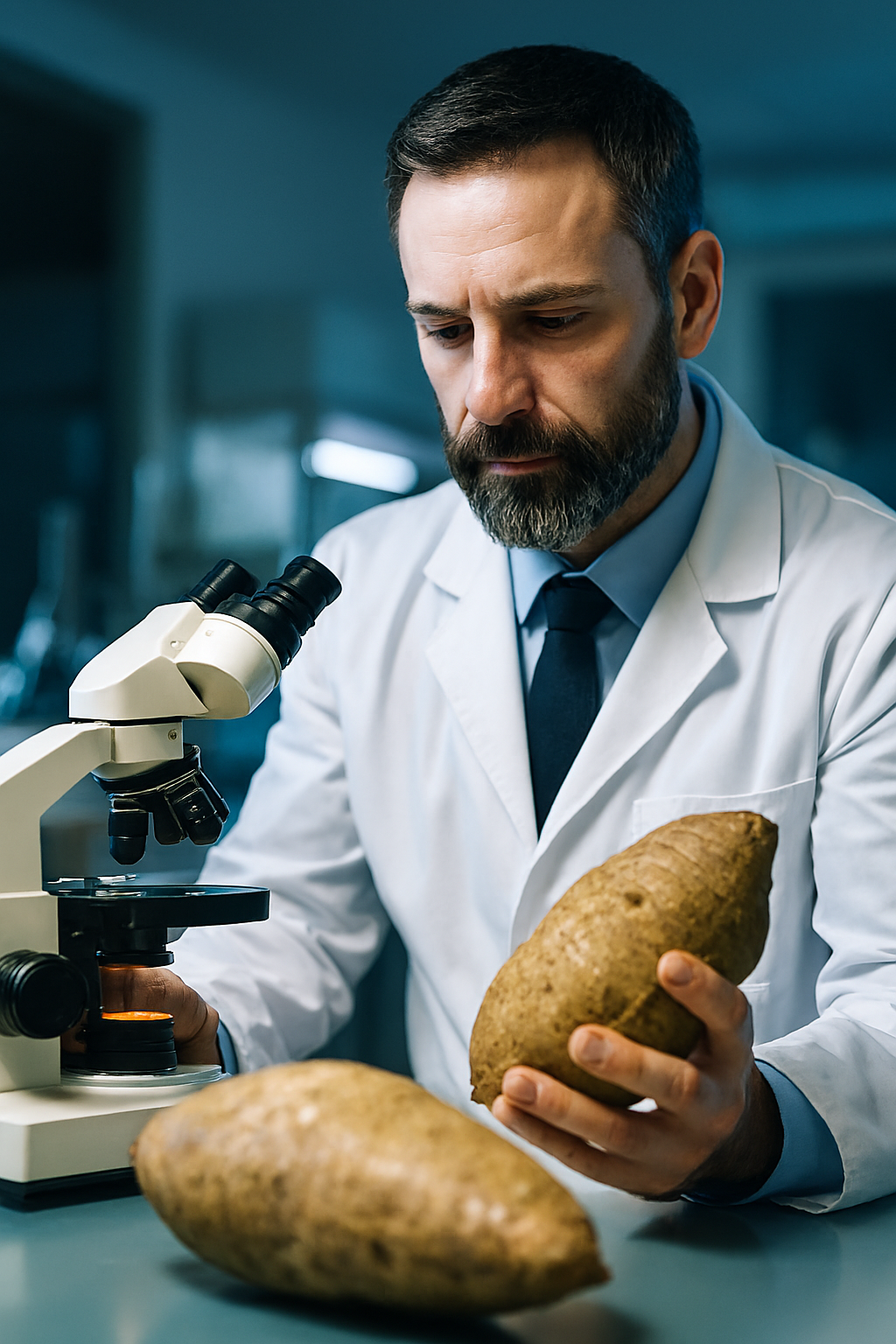
Certain wild yams—especially Dioscorea villosa, native to Mexico—contain a plant compound called diosgenin. This molecule is structurally similar to cholesterol and can be used as a starting point to create human hormones like estrogen and progesterone.
But here’s the catch: your body can’t convert diosgenin into estrogen on its own. That transformation only happens in a lab.
How Scientists Turn Yams into Estrogen
The process looks like this:
- Harvesting: Wild yams are collected and cleaned.
- Extraction: Diosgenin is isolated from the yam’s root using solvents.
- Chemical Conversion: In a lab, diosgenin is chemically altered through a series of reactions to become bioidentical estrogen—specifically, estradiol, which is molecularly identical to the estrogen your body produces.
- Formulation: The synthesized hormone is purified and used in regulated HRT products like patches, gels, or tablets.
This is a highly controlled pharmaceutical process. The final product contains no yam—just the hormone your body recognizes.
🍠 Why Eating Yams Isn’t the Same

Despite what some wellness blogs claim:
- Eating yams or using yam-based creams won’t raise your estrogen levels.
- Your digestive system can’t convert diosgenin into usable hormones.
- Topical yam creams may moisturize your skin, but they don’t deliver estrogen.
So while yams are a fascinating botanical source, they’re not a DIY hormone therapy.
The Bottom Line
- Yes, some HRT estrogen is originally derived from yams.
- No, yams themselves don’t act like estrogen in your body.
- Only lab-processed, regulated HRT delivers bioidentical hormones in a safe, effective form.
Understanding the difference matters—especially when navigating menopause, wellness marketing, and your own health decisions.

Disclaimer: Kind Health Hub provides content for general informational and educational purposes only. While every effort is made to ensure accuracy, details about products, services, policies, and lifestyle guidance may change over time. Readers should always verify information directly with manufacturers, healthcare providers, or official sources before making decisions. The content does not constitute medical, nutritional, financial, or legal advice, and any recommendations are shared for general guidance only. The photo is for illustrative purposes only.