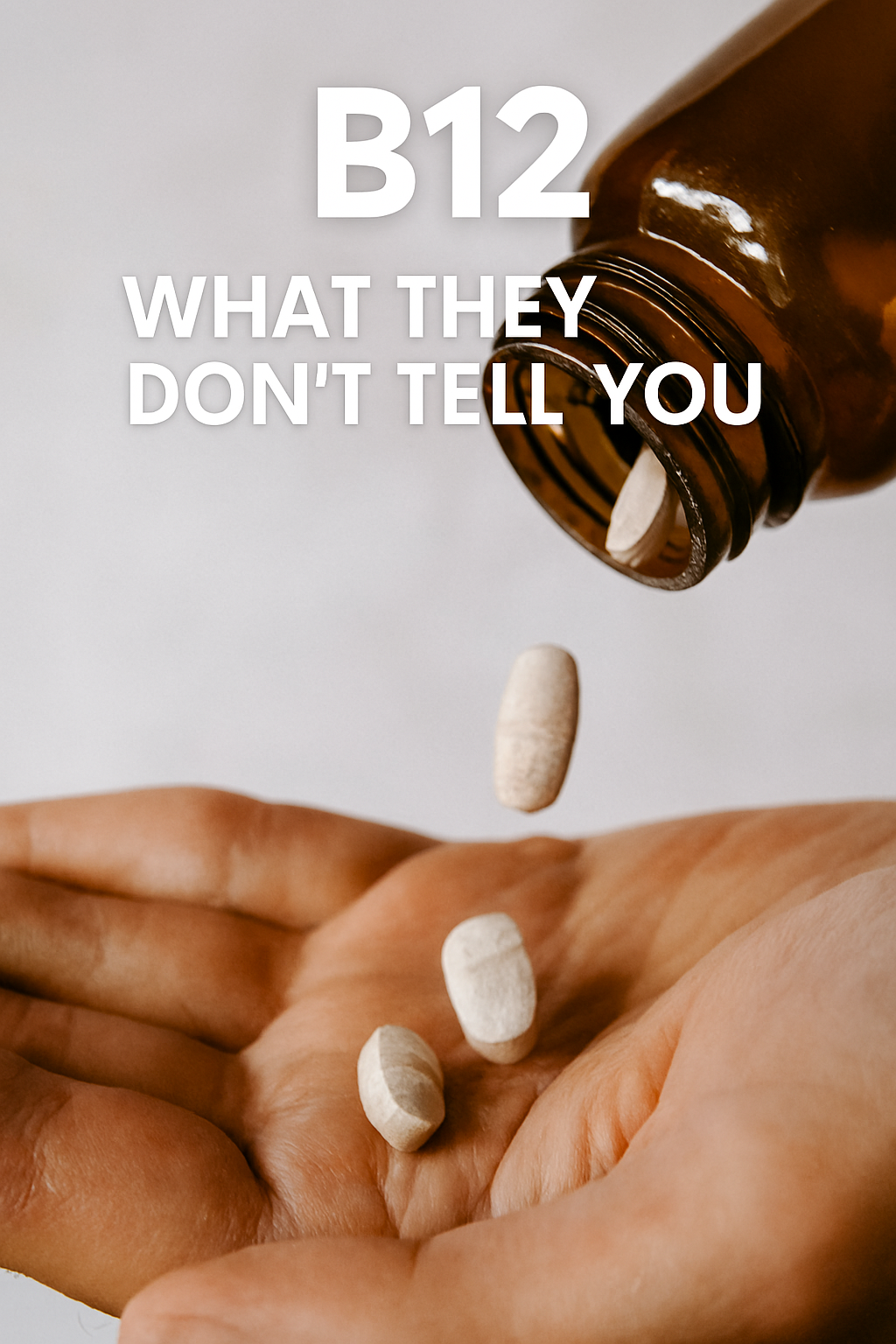
Vitamin B12 often gets mentioned in headlines about vegan diets, with the implication that only vegans need to worry about it. But here’s the bigger picture: most people, not just vegans, can benefit from paying attention to their B12 intake.
🌱 Why B12 Matters
- Essential nutrient: B12 supports red blood cell formation, nerve health, and DNA synthesis.
- Unique source: It’s naturally found in animal products, but modern food processing and absorption issues mean deficiency isn’t limited to plant-based eaters.
👥 Vulnerable Groups Who May Need Extra B12
- Vegans and vegetarians: Since B12 is scarce in plant foods, supplementation is recommended.
- Older adults: Age reduces stomach acid and intrinsic factor, both needed for B12 absorption.
- People with digestive conditions: Crohn’s disease, celiac disease, or gastric surgery can impair absorption.
- Pregnant and breastfeeding women: Increased demand makes deficiency riskier.
- Individuals on certain medications: Long-term use of metformin (for diabetes) or proton pump inhibitors (for acid reflux) can lower B12 levels.
🧠 General Information About B12
- Storage in the body: The liver can store between 2,000–4,000 µg of B12, enough to last for years. In fact, the body could theoretically function on minimal intake for up to 10 years before deficiency symptoms appear.
- Daily needs: Adults generally require about 2.4 µg per day, but because absorption varies, supplements often provide higher amounts.
- Deficiency signs: Fatigue, memory problems, tingling in hands/feet, and anemia are common red flags.
🌿 What This Means for Vegans
Going vegan doesn’t mean you’ll be depleted overnight. Thanks to the body’s storage capacity, you are not chained to taking B12 every single day. However, consistent supplementation (weekly, daily, or via fortified foods) ensures your reserves stay healthy over time.
💡 The Bigger Truth
So while the narrative often frames B12 as a “vegan problem,” the reality is broader: many people—especially older adults, those with medical conditions, or on certain medications—can benefit from supplementation. Recognizing this shifts the conversation from stigma to empowerment: B12 is about health for everyone, not just one group.
Disclaimer: Kind Health Hub provides content for general informational and educational purposes only. While every effort is made to ensure accuracy, details about products, services, policies, and lifestyle guidance may change over time. Readers should always verify information directly with manufacturers, healthcare providers, or official sources before making decisions. The content does not constitute medical, nutritional, financial, or legal advice, and any recommendations are shared for general guidance only.