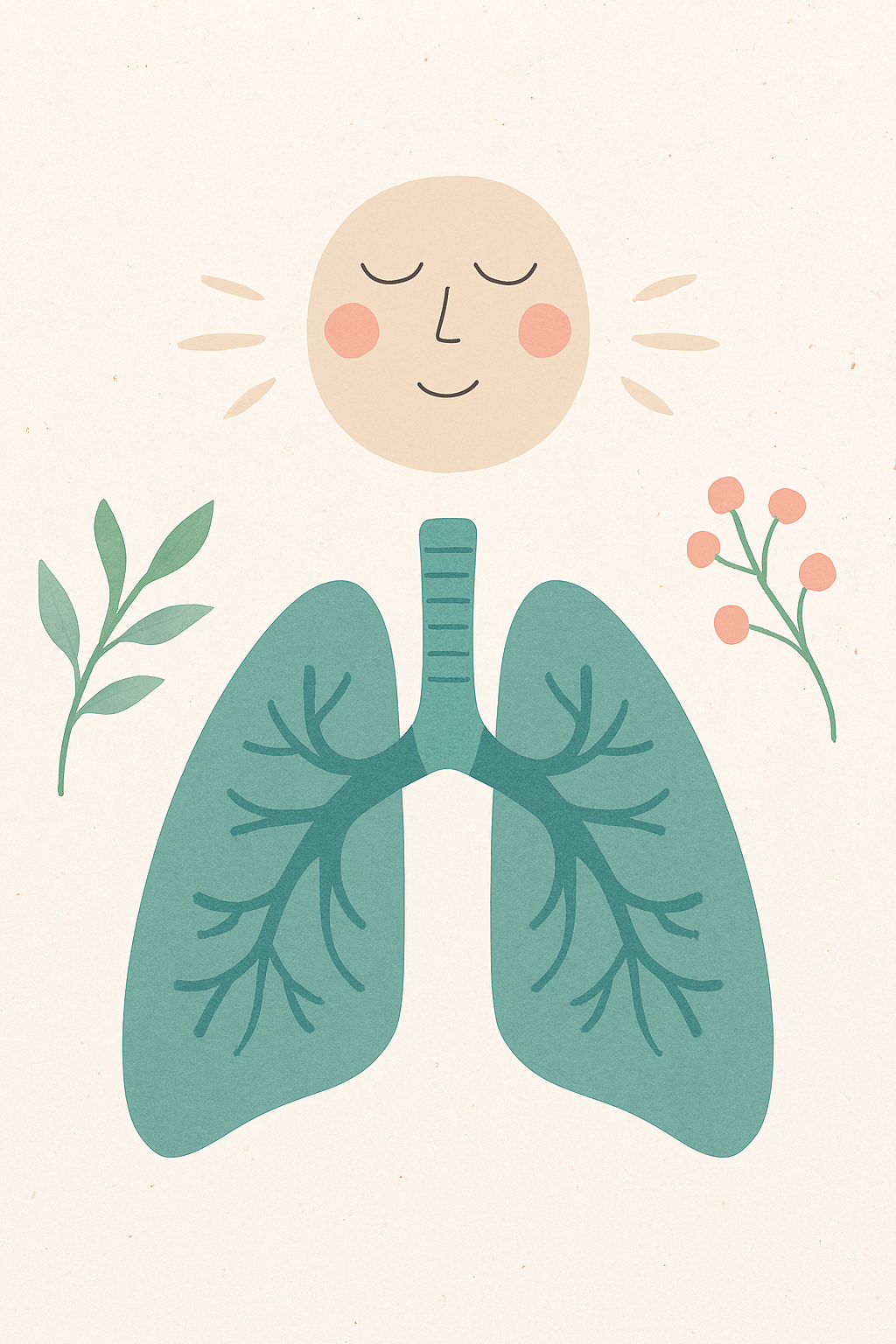
“Discover how breathing exercises can help ease anxiety. A personal story, practical techniques, and the history of breathwork. Not medical advice.”
My Personal Story
When I first started attending sessions at my pain clinic, I didn’t expect breathing to come up. But my psychologist gently suggested I try breath control exercises to help manage anxiety.
I was skeptical. Breathing? I do that all day. But I soon learned that how you breathe can change everything.
I’m still learning and practicing—some days I get it right, some days I forget—but I’ve already noticed how intentional breathing helps me feel more grounded. It’s not a cure, but it’s a tool. And it’s always with me.
Why Breathing Helps with Anxiety
- Calms the nervous system: Slow, deep breathing activates the parasympathetic system, which helps you relax.
- Reduces physical symptoms: It can lower heart rate, reduce muscle tension, and ease that tight-chest feeling.
- Interrupts spirals: Focusing on breath gives your mind something to anchor to.
According to NHS Talking Therapies, deliberate breathing can reduce the body’s stress response and help regulate emotions.
A Brief History of Breathwork 🌬️
Breath control isn’t new. It’s ancient.
- Pranayama: In India, yogic breathing (pranayama) dates back thousands of years.
- Tibetan Buddhism: Breath is used to calm the mind and deepen meditation.
- Modern psychology: Breathwork is now used in therapy for PTSD, anxiety, and burnout.
Across cultures, breath has always been seen as more than survival—it’s a bridge between body and mind.
Breathing Exercises to Try
Here are three beginner-friendly techniques I’m learning:
- Box Breathing Inhale for 4 seconds → Hold for 4 → Exhale for 4 → Hold for 4. Repeat for 1–2 minutes.
- 4-7-8 Breathing Inhale for 4 seconds → Hold for 7 → Exhale slowly for 8. Great for winding down before sleep.
- Alternate Nostril Breathing Close one nostril, inhale through the other → Switch sides for exhale. Balances energy and calms the mind.
These techniques are backed by research and used in clinical settings to support emotional regulation.
Final Thought
Breathing exercises aren’t magic, but they’re powerful. They’ve helped me feel more in control during anxious moments, and they’re free, simple, and always available.
Disclaimer
This blog is based on personal experience and publicly available information. I am not a psychologist or medical professional, and this content is not intended to replace professional advice. Always consult a qualified healthcare provider for guidance tailored to your individual needs.

One comment on “Breathing Through Anxiety: My Journey with Breath Control”
Comments are closed.