When a Disabled Person Is Told They Score “0 Points” Across the UK, thousands of disabled people apply for Personal Independence Payment (PIP) every year. Many, like my friend, have worked their whole lives, paid taxes, and contributed to society, only to be told they score 0 points despite clear medical evidence, mobility issues, chronic pain, and daily struggles. Her experience isn’t unusual. It’s part of a wider pattern that raises serious questions about how the PIP system operates, how much it costs the public, and how disabled people are being treated. This article explores the real financial cost, the…
-
-
Disabled communities already face barriers, stigma, and misunderstanding. When public figures make false claims about disability benefits or Motability cars, it undermines trust and paints disabled people as fraudsters. This is unacceptable.
-
n today’s Britain, disabled people are too often portrayed through a narrow, damaging lens. Headlines and government rhetoric frequently suggest that those on PIP (Personal Independence Payment) or Motability schemes are simply “claiming benefits” or “wanting handouts.” This demonisation has consequences: it shifts public perception, erodes empathy, and undermines support for those who rely on these lifelines.
-
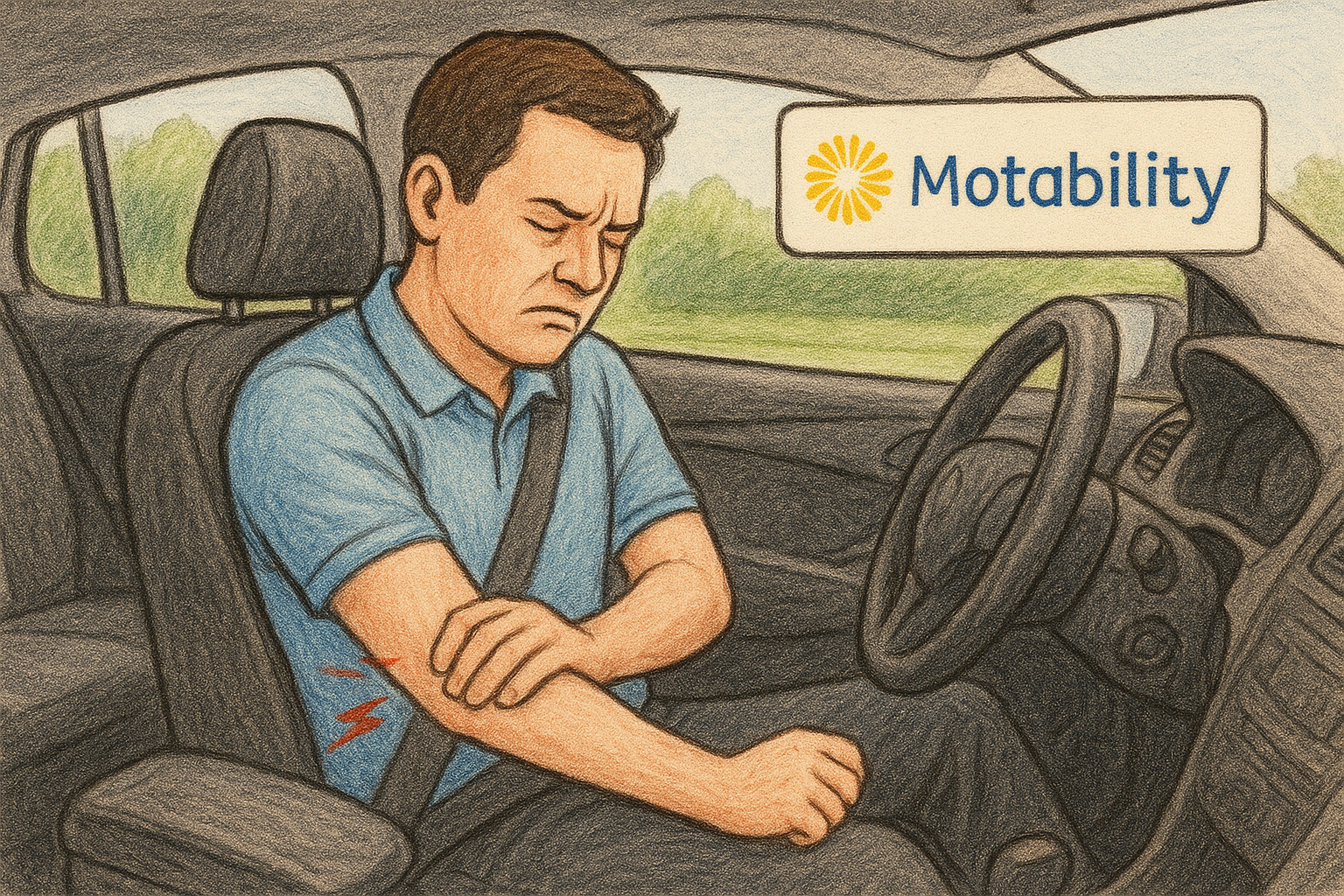
Recent headlines have suggested that people are “getting free cars for tennis elbow” through the Motability scheme. These claims are misleading, stigmatising, and factually incorrect. They ignore the strict criteria disabled people must meet to access mobility support — and they fuel harmful narratives that undermine genuine claimants.
-
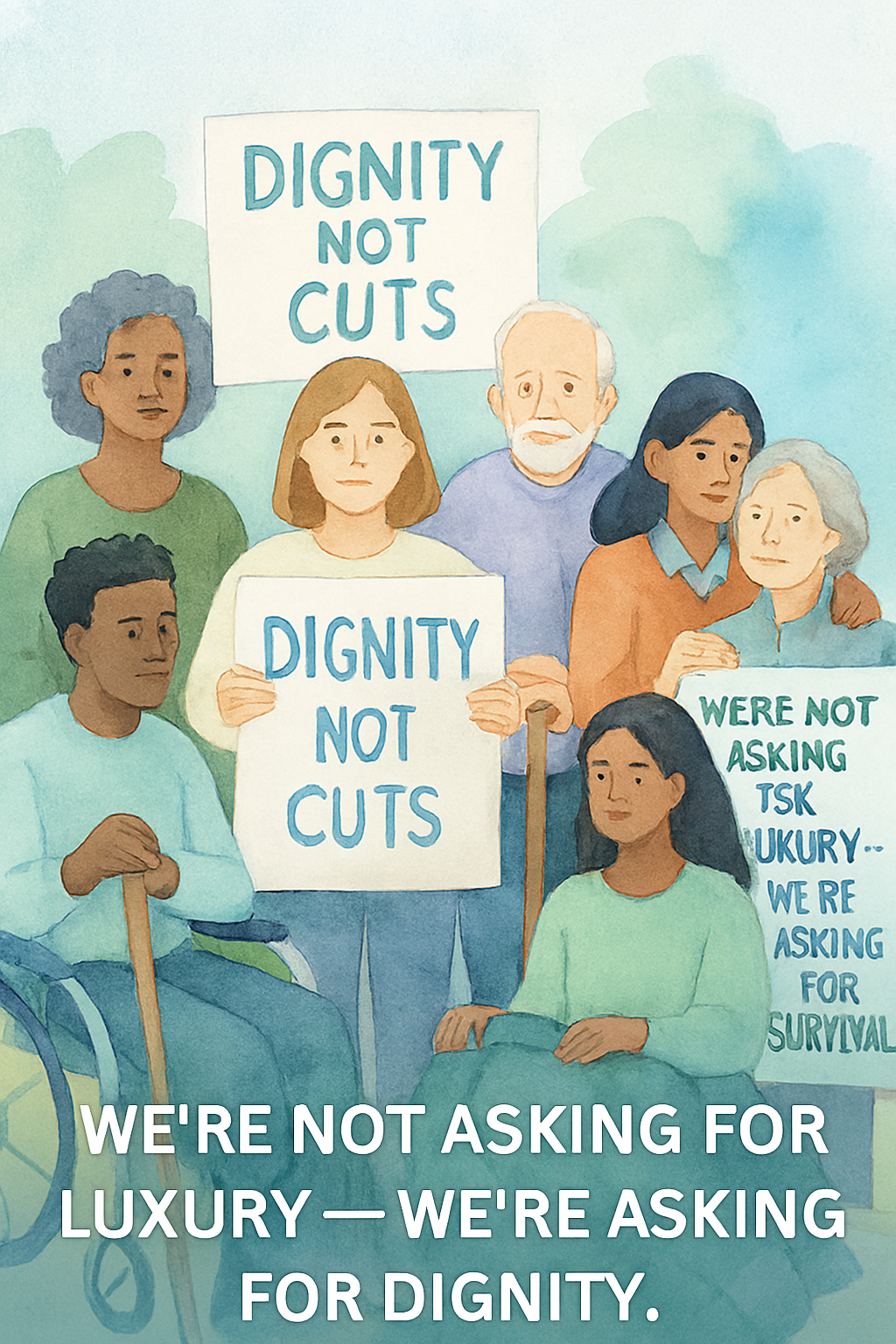
The UK government claims the upcoming 2026 Personal Independence Payment (PIP) reforms will make the system “fairer and more sustainable.” But disabled people, charities, and advocacy groups say the opposite: these changes will reduce support, deepen poverty, and punish the vulnerable. This blog amplifies the voices of those most affected — and explains why the reforms are not just unfair, but dangerous. 🚨 What’s Changing in 2026? The government is planning a full overhaul of PIP, including: 🧾 The Reality: Cuts, Not Care 🧠 What Disabled People Are Saying “We’re not asking for luxury — we’re asking for dignity.” “The…
-
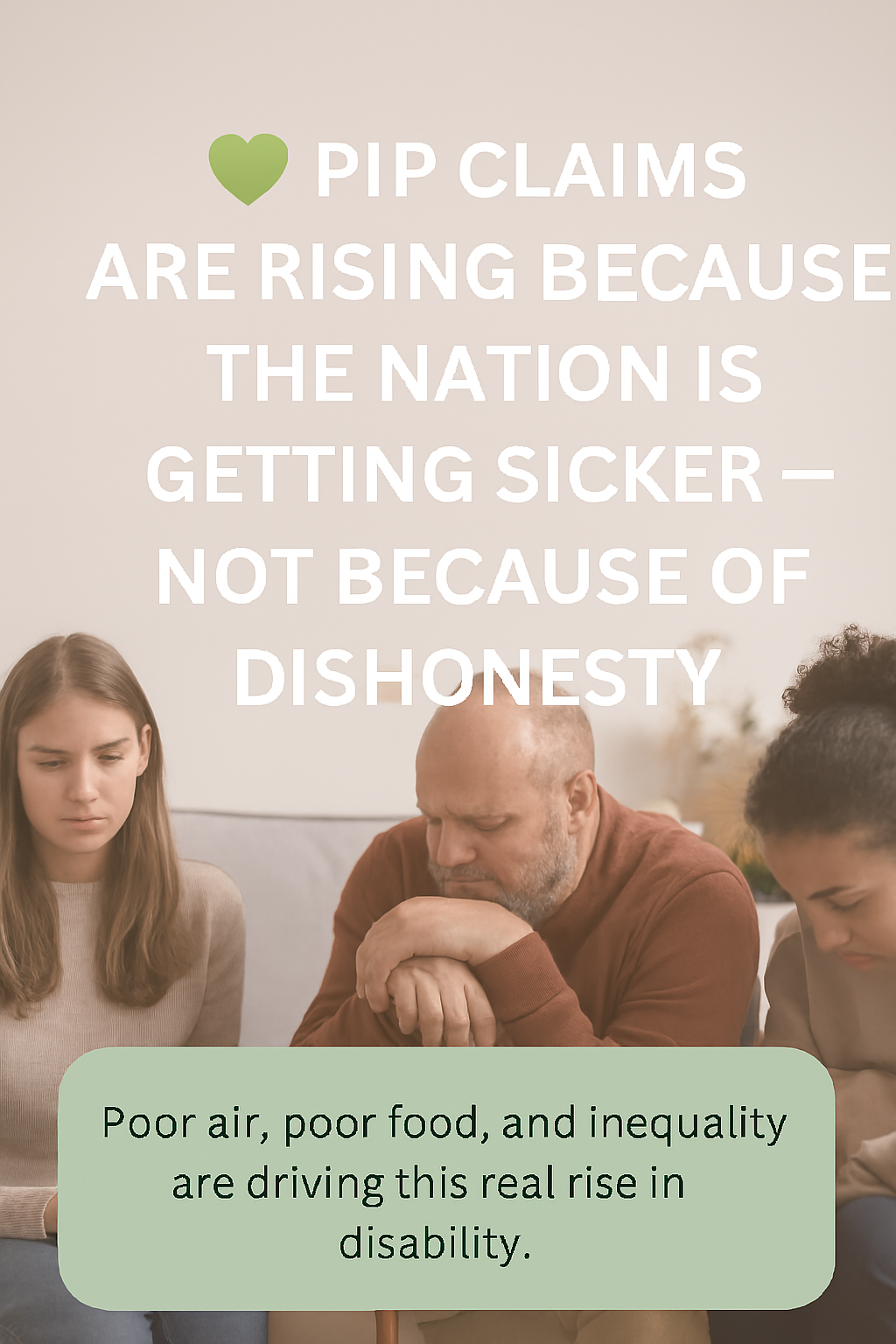
The government often frames the rise in Personal Independence Payment (PIP) claims as a problem of “dishonest claimants.” But the evidence tells a very different story. Far from being driven by fraud, the increase in claims reflects a nation struggling with worsening health — shaped by poor air quality, food insecurity, educational inequality, and the long shadow of the pandemic.
-
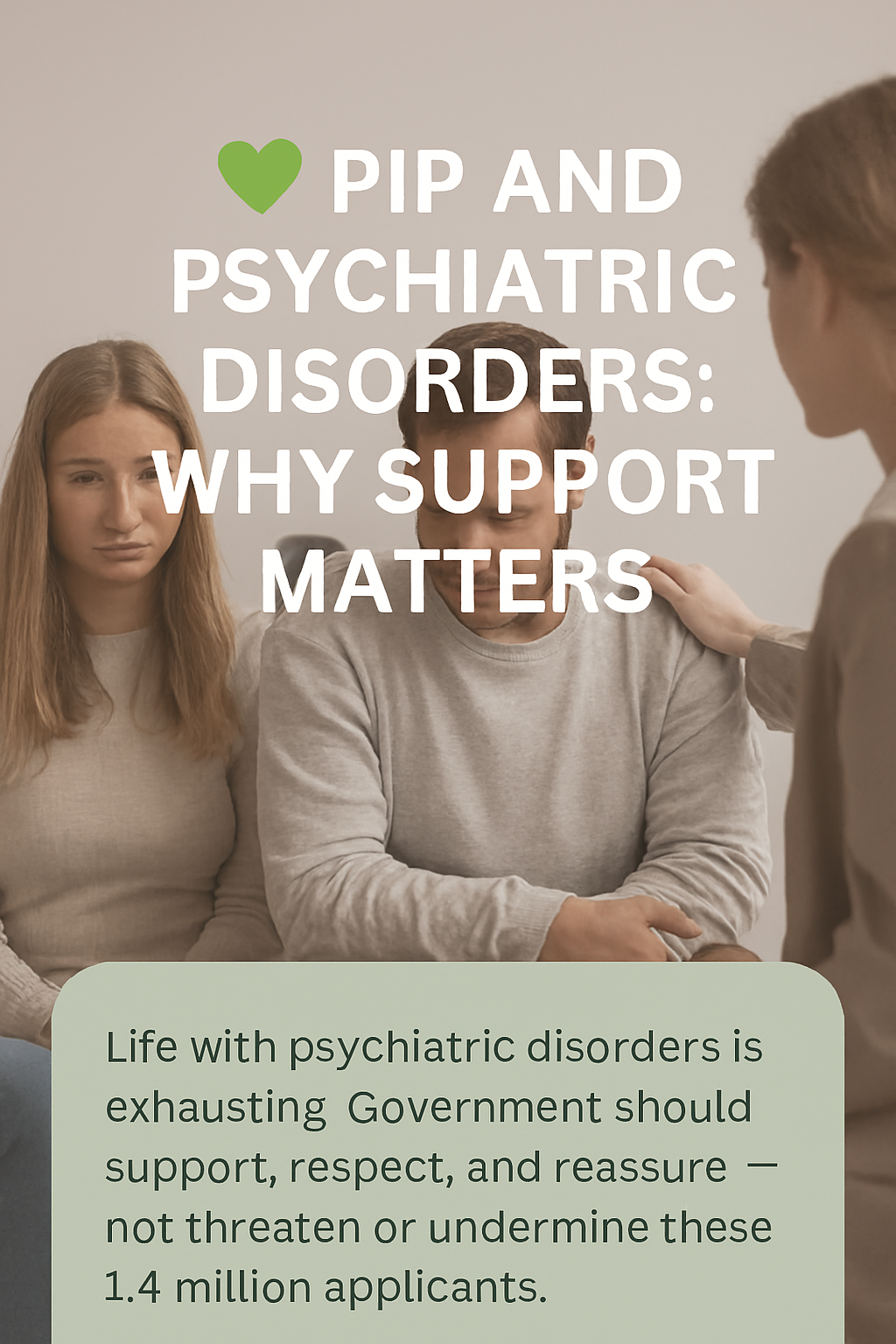
It is vital that the government respects the difficulties this group of people face. Living with psychiatric disorders is already exhausting and unpredictable — and the constant threat in newspapers of losing PIP through policy changes or alterations can be extremely damaging.
-
PIP in the headlines: What's really going on?