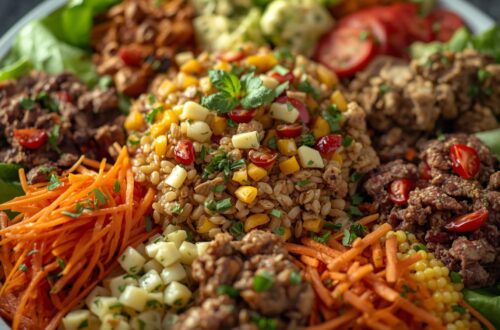
For centuries, the Full English breakfast has been a cultural icon: bacon, sausages, eggs, beans, mushrooms, and toast. It was born in the 17th century as a show of hospitality among the gentry, and later became fuel for workers during the Industrial Revolution. Today, it’s still celebrated as a national tradition — but it’s heavy in saturated fat and salt.
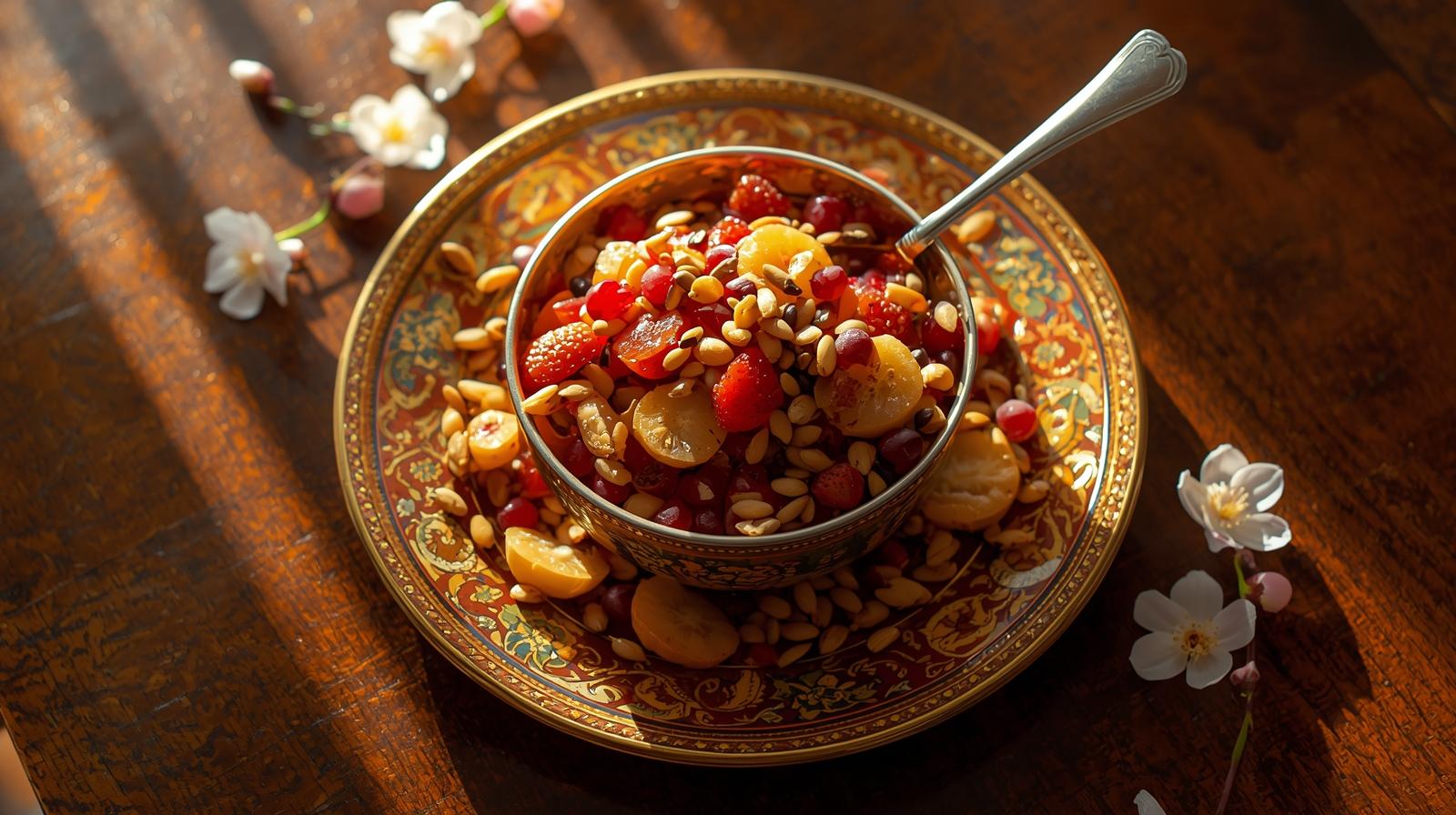
By contrast, King Charles is known to favour a breakfast of fruit and seeds, carried with him in a personal breakfast box. This routine is light, nutrient‑dense, and rich in fibre, antioxidants, and healthy fats.
So the question is: has the King started a new healthy trend of the Full English?
⚖️ The Royal Alternative
| Breakfast | Nutritional Profile | Cultural Notes |
|---|---|---|
| Fruit & seeds (King Charles) | High fibre, antioxidants, healthy fats | A modern, lighter “Royal Full English.” |
| Traditional fry‑up | High protein, saturated fat, salt | Historic, iconic, but best as an occasional treat. |
🌱 Why It Resonates
- Symbolic shift: If the monarch chooses fruit and seeds, it signals that lighter, healthier breakfasts can be part of British tradition.
- Cultural evolution: Just as the fry‑up once reflected industrial Britain, a “Royal Full English” could reflect modern health awareness.
- Accessible change: Seeds, fruit, and yoghurt are affordable and easy to prepare — making this trend realistic for everyday households.
👑 Why Are We Hankering After Kings Long Gone, When Our King Is Setting Us a Proper Example?
For centuries, Britain has looked back to monarchs of the past for tradition and identity. The Full English breakfast itself is rooted in the gentry of the 17th century, when lavish morning feasts were a mark of hospitality and power. We still cling to that heritage today, celebrating the fry‑up as if it were timeless.
⚖️ The Contrast
| Tradition | Breakfast | Symbolism |
|---|---|---|
| Past monarchs & gentry | Heavy feasts, meat, ale | Power, indulgence, heritage |
| King Charles today | Fruit & seeds | Health, sustainability, modern responsibility |
| Breakfast | Fat content | Protein content | Vitamin content |
|---|---|---|---|
| Traditional Full English | ~63g total fat, ~18g saturated fat | ~30–35g protein (from eggs, bacon, sausages, beans) | Limited vitamins; some vitamin D from eggs, small vitamin C from tomatoes/beans |
| Fruit & Seeds (King Charles) | ~15–20g fat, mostly unsaturated (from seeds/nuts like chia, flax, pumpkin) | ~10–15g protein (from seeds, nuts, yoghurt if included) | High in vitamin C (berries, citrus), vitamin E (seeds/nuts), folate, antioxidants |
🔎 Key Takeaways
- Fat: The fry‑up is heavy in saturated fat, while seeds provide healthier unsaturated fats.
- Protein: The Full English delivers more protein, but often alongside processed meats. Seeds/fruit provide lighter protein with added fibre.
- Vitamins: The King’s breakfast is richer in vitamins and antioxidants, especially vitamin C and E, compared to the fry‑up’s limited micronutrient profile.
⚠️ Risks & Benefits
- A Full English is culturally iconic but linked to higher risks of heart disease if eaten regularly.
- A fruit‑and‑seeds breakfast supports digestion, immunity, and long‑term health, while still being accessible and affordable.
🌱 Why This Matters
- Symbolic choice: If the King, with farms and game at his disposal, chooses seeds and fruit, it signals a deliberate move toward lighter, healthier eating.
- Cultural shift: Britain has long celebrated the fry‑up as heritage. But our monarch is modelling a modern alternative that aligns with wellbeing.
- Accessible example: Seeds and fruit are affordable, simple, and available to everyone — making this a trend that ordinary households can adopt.
📢 Takeaway
King Charles’ breakfast habits show that tradition doesn’t have to mean indulgence. Even with farms and game sport at hand, he sets a proper example by choosing seeds and fruit — a “Royal Full English” that could inspire Britain to rethink its mornings.
🌱 The Message for Us
- The fry‑up is part of history, but it belongs in the past as a cultural treat.
- Our current monarch is modelling a healthier, lighter way to start the day.
- If fruit and seeds are good enough for the King, they can be good enough for us.
King Charles is not averse to game sport — he has long been associated with country pursuits and owns extensive farmland. He could easily indulge in the traditional fare of meat, eggs, and rich produce from his estates.
And yet, despite this access, his breakfast of choice is seeds and fruit. This preference speaks volumes: it’s not about scarcity or lack of options, but about a conscious decision to prioritise health, balance, and sustainability.
📢 Disclaimer
This article is based on publicly available information about King Charles’ dietary habits and historical records of the Full English breakfast. It does not make new claims beyond verified sources. Health comparisons are general and not intended as medical advice.