When a Disabled Person Is Told They Score “0 Points” Across the UK, thousands of disabled people apply for Personal Independence Payment (PIP) every year. Many, like my friend, have worked their whole lives, paid taxes, and contributed to society, only to be told they score 0 points despite clear medical evidence, mobility issues, chronic pain, and daily struggles. Her experience isn’t unusual. It’s part of a wider pattern that raises serious questions about how the PIP system operates, how much it costs the public, and how disabled people are being treated. This article explores the real financial cost, the…
-
-
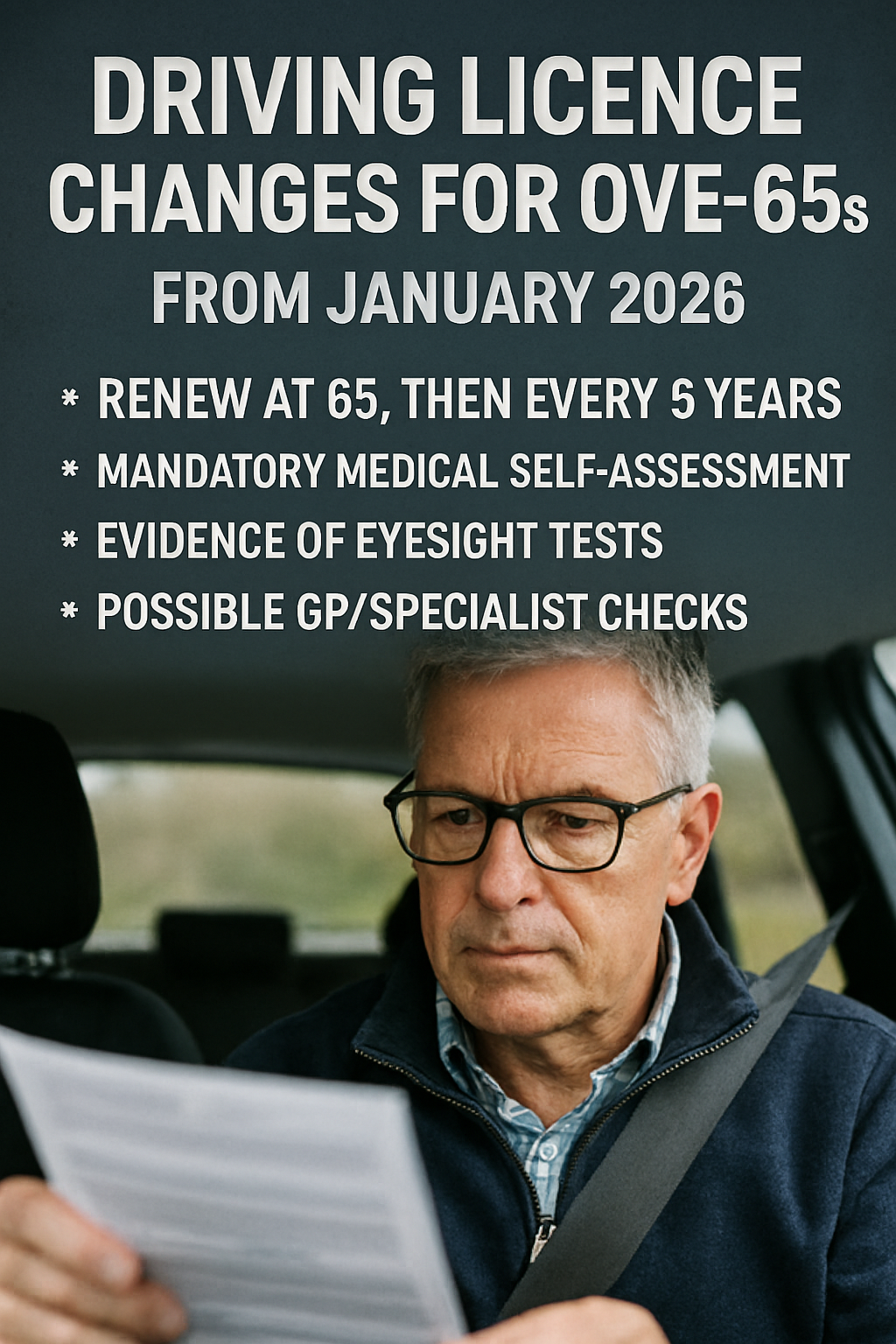
From January 2026, the UK Government is introducing new driving‑licence rules for people aged 65 and over. These changes are intended to improve road safety, but many drivers argue that targeting people purely by age is unfair and ineffective. Medical conditions, eyesight issues, and medication‑related impairments affect drivers of all ages, not just older adults. According to early guidance, the new rules aim to ensure licences “accurately reflect medical fitness to drive”. But if the Government expects only an “extreme minority” of older drivers to lose their licence, then these new checks may not remove many unsafe drivers from the…
-
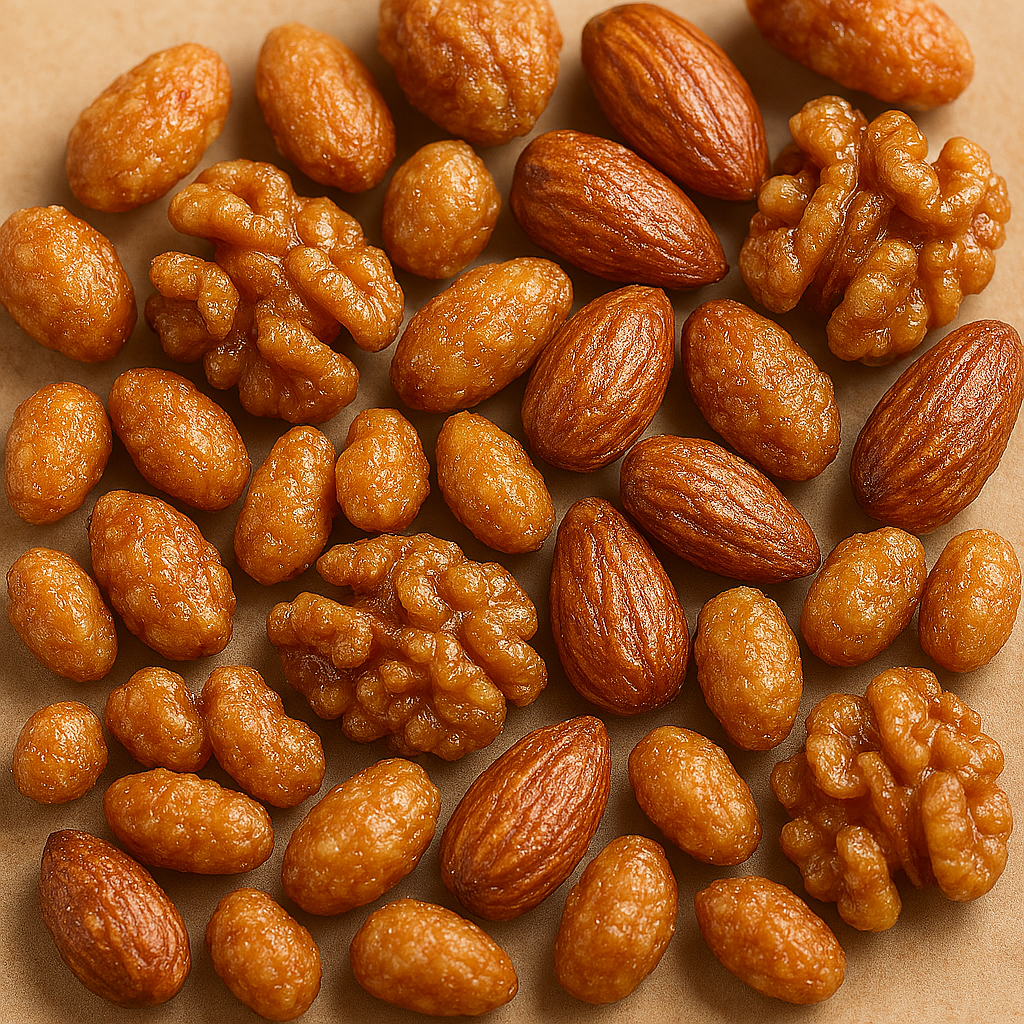
I was wandering down a chilly December street in Cádiz, wrapped up against the sea breeze, when a warm, sweet smell drifted through the air and stopped me in my tracks. It was coming from a little shop called Sabores de España, its windows glowing with trays of glossy, caramel‑coated nuts. The moment I tasted them, I was transported. The flavours were magical and unmistakably Christmassy — cinnamon, toasted sugar, and that deep, old‑fashioned warmth you only get from simple ingredients treated with care. They reminded me of Victorian Christmas treats, back when festive sweets were made from just nuts,…
-
We hear these words everywhere — vegan, vegetarian, plant‑based, pescatarian — but what do they actually mean? And why do people choose them? The truth is, diets aren’t just about food. People follow them for cultural, religious, ethical, health, medical, environmental, or personal preference reasons. Understanding the differences helps us make choices that fit our values and lifestyle. 🥦 Vegan What it means: No animal products at all — no meat, dairy, eggs, fish, or even honey. Why people choose it: Ethics, animal welfare, environmental impact, or health. Benefits: Lowest carbon footprint, high fibre, lots of antioxidants.
-
For centuries, the Full English breakfast has been a cultural icon: bacon, sausages, eggs, beans, mushrooms, and toast. It was born in the 17th century as a show of hospitality among the gentry, and later became fuel for workers during the Industrial Revolution. Today, it’s still celebrated as a national tradition — but it’s heavy in saturated fat and salt. By contrast, King Charles is known to favour a breakfast of fruit and seeds, carried with him in a personal breakfast
-
The COVID-19 pandemic was serious, scary, and life-changing — but it also revealed some quirky truths about human behaviour, science, and society. As we adapted to lockdowns, social distancing, and remote everything, the world got weird in the most fascinating ways. Here are some of the most fun and surprising things we learned:
-
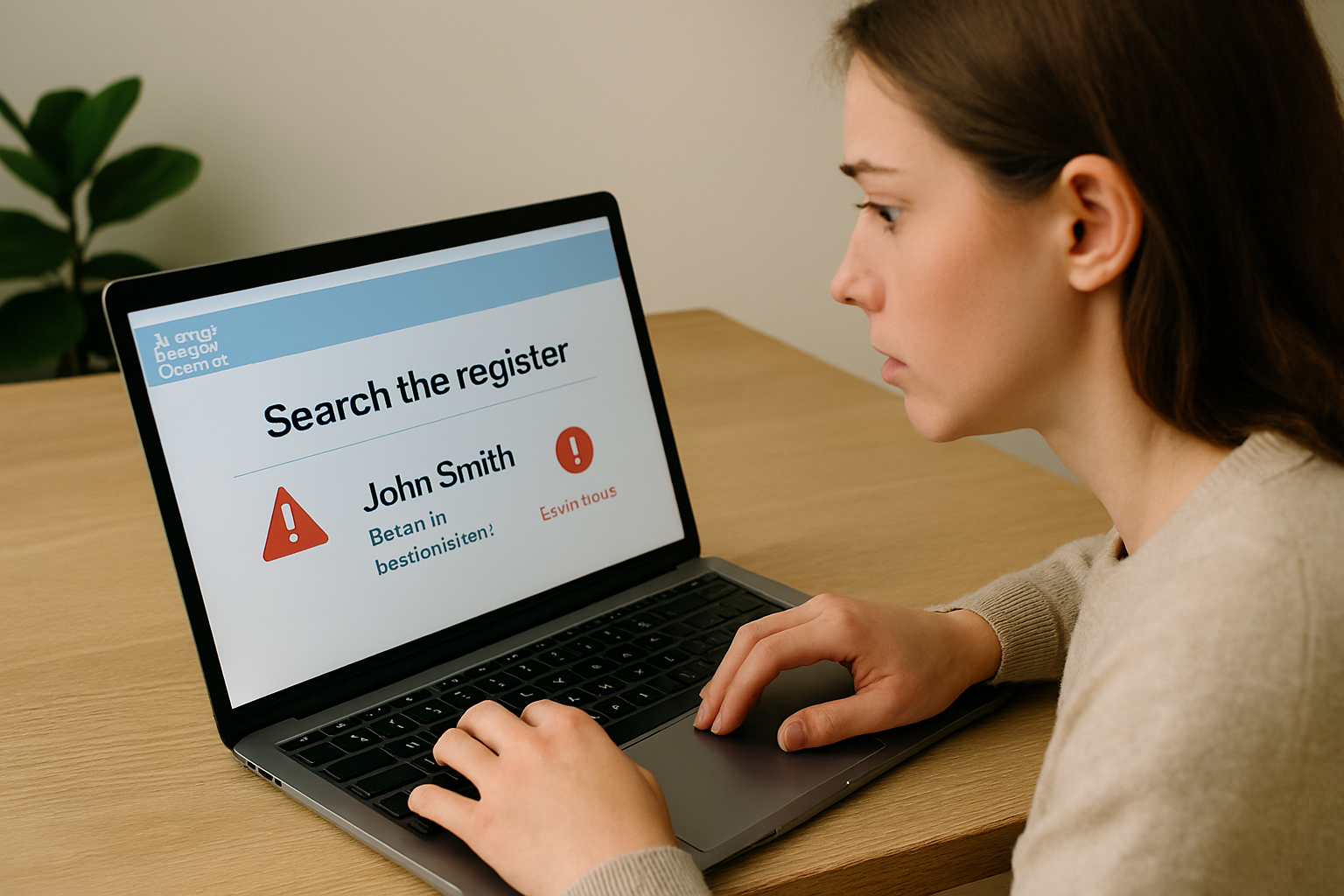
The names of dentists have been deliberately changed for privacy, except where publicly available on the GDC register. The Hidden Scale of Complaints Against Dentists Discover how many complaints are made against dentists each year, what shocking cases the GDC has reported, and why patients must check the GDC register for restrictions. Learn about systemic failures in dental regulation and how to protect yourself. 📊 How Many Complaints Are Made Against Dentists Each Year? ⚖️ Complaints Compared Across Professions Dentistry generates thousands of complaints annually, but other professions also face high volumes: Profession Annual Complaints (Recent Data) Key Notes Dentists…
-
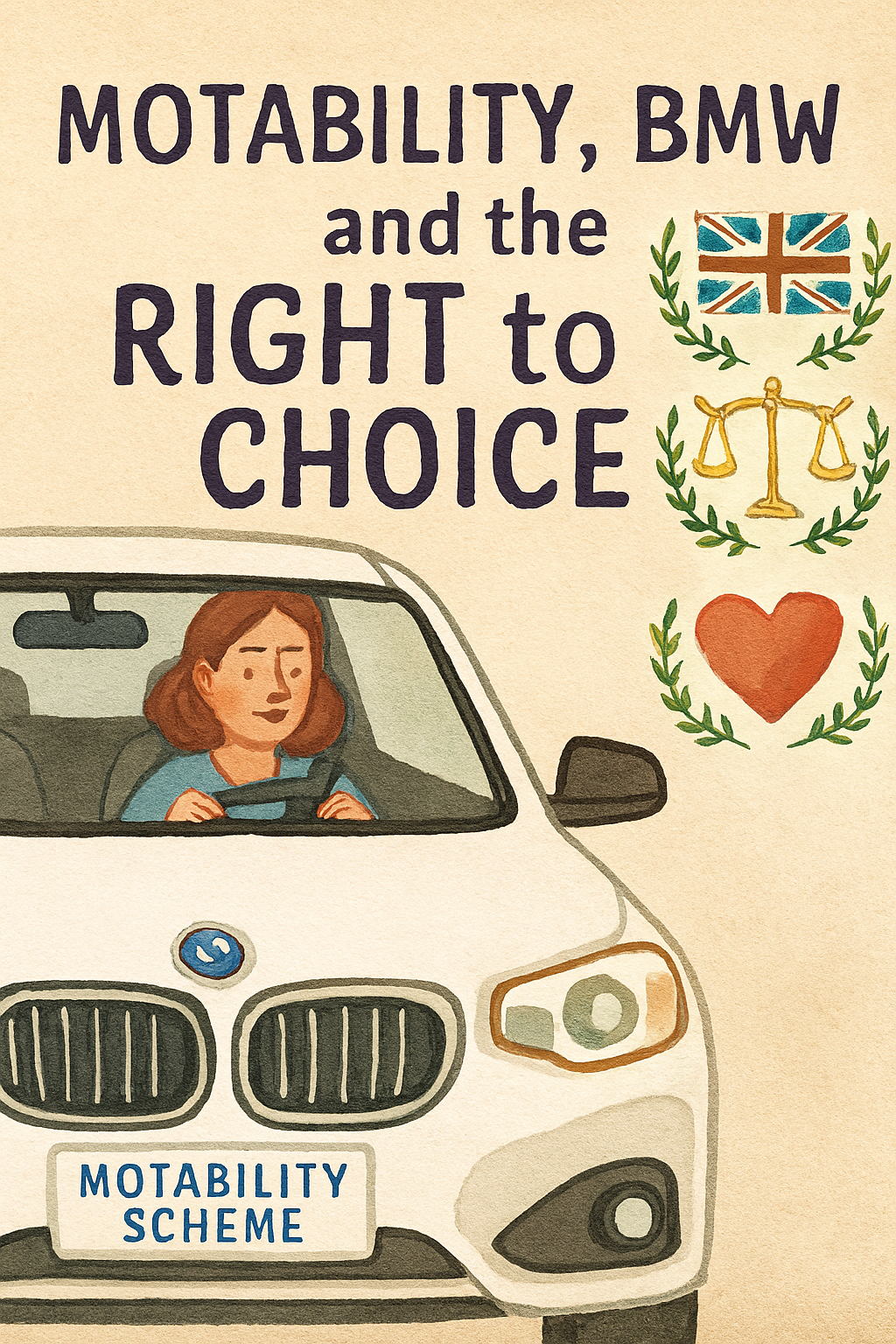
When news broke that BMW and other premium brands were being removed from the UK’s Motability scheme, the headlines framed it as a cost‑saving measure. Disabled people were portrayed as driving “luxury cars at taxpayers’ expense.” But the reality is far more complex—and far less fair. 💡 What’s Really Happening ⚖️ Why the Narrative Matters Disabled people are being blamed for choices that, in truth, cost the public no more than many mid‑range cars. In fact, many Motability users paid upfront contributions to access models that offered comfort, safety, or adaptive technology. Removing these options under the guise of saving…
-
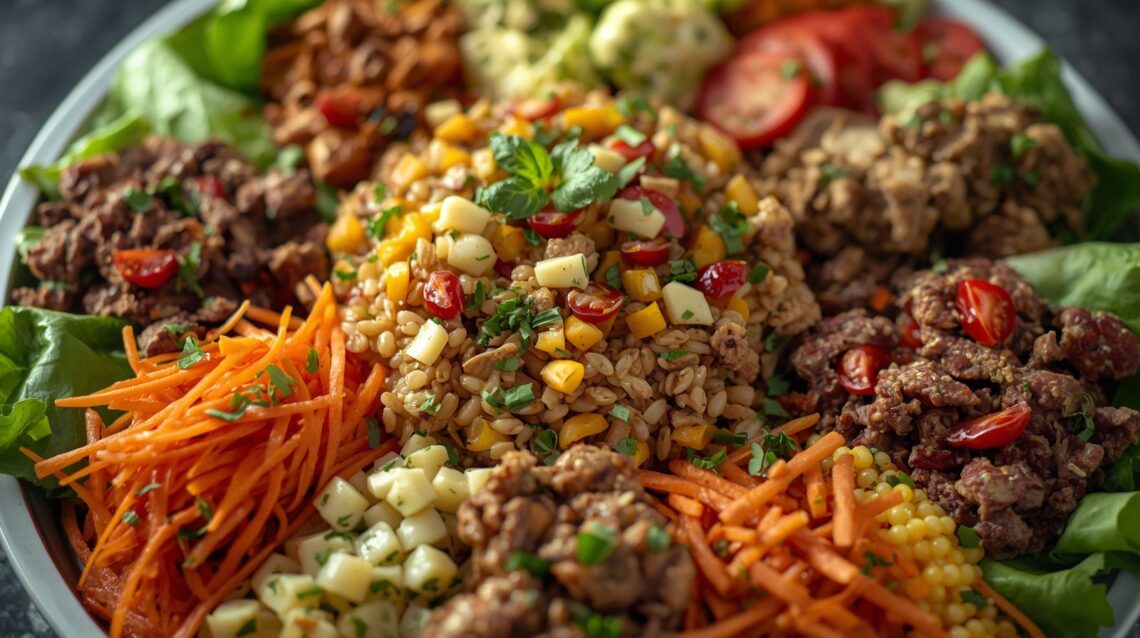
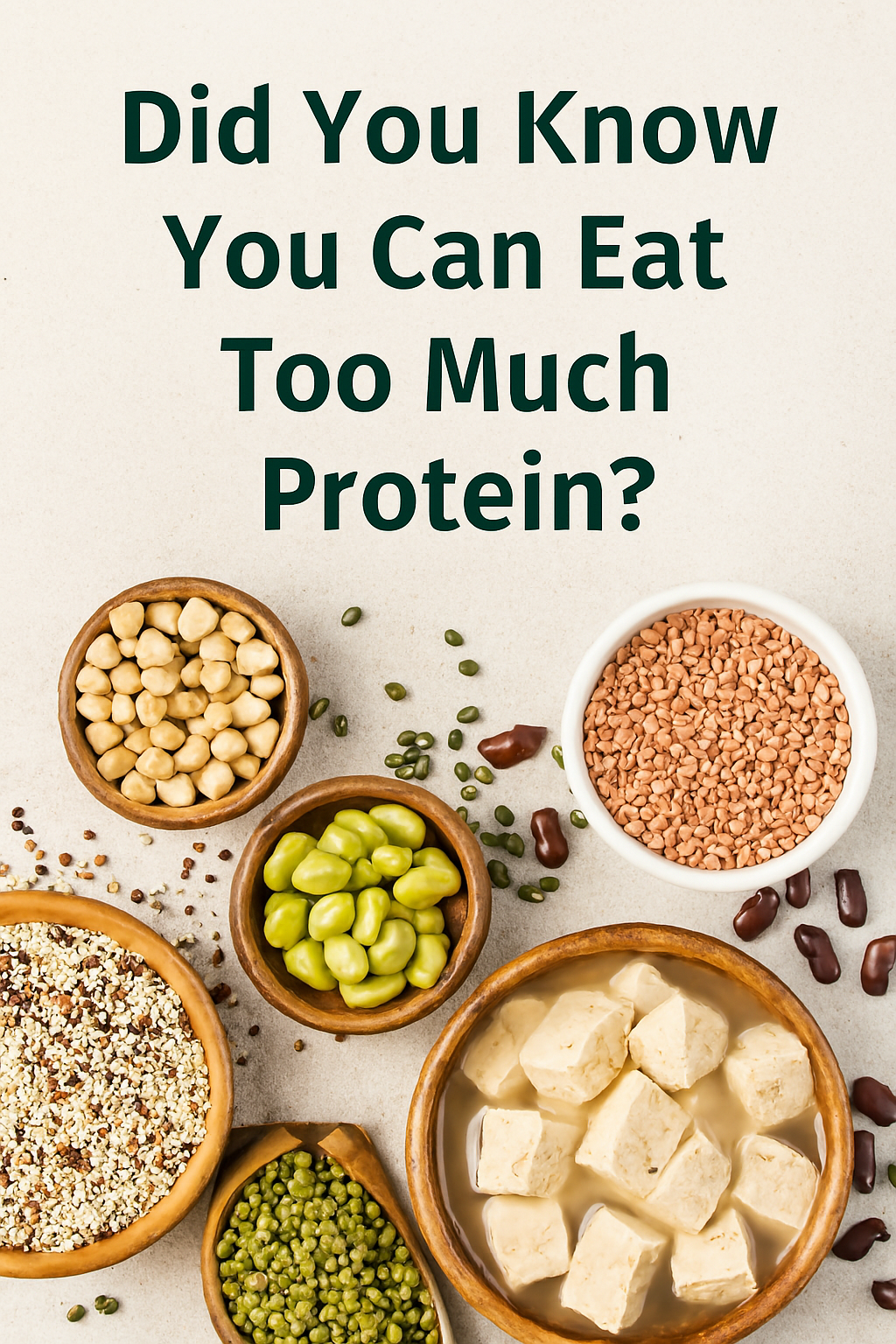
While protein is essential, eating it in excess can put strain on your body. Kidney stress: High protein intake increases the amount of waste products (like urea) that your kidneys must filter. For healthy individuals, this isn’t usually dangerous, but consistently overdoing it can add unnecessary pressure. Nutrient imbalance: Focusing too heavily on protein often means missing out on other vital nutrients — like fiber, vitamins, and healthy fats — that keep your body in balance. Calorie overload: Protein still contains calories. Eating more than your body needs can contribute to weight gain, just like overeating carbs or fats. Digestive…
-
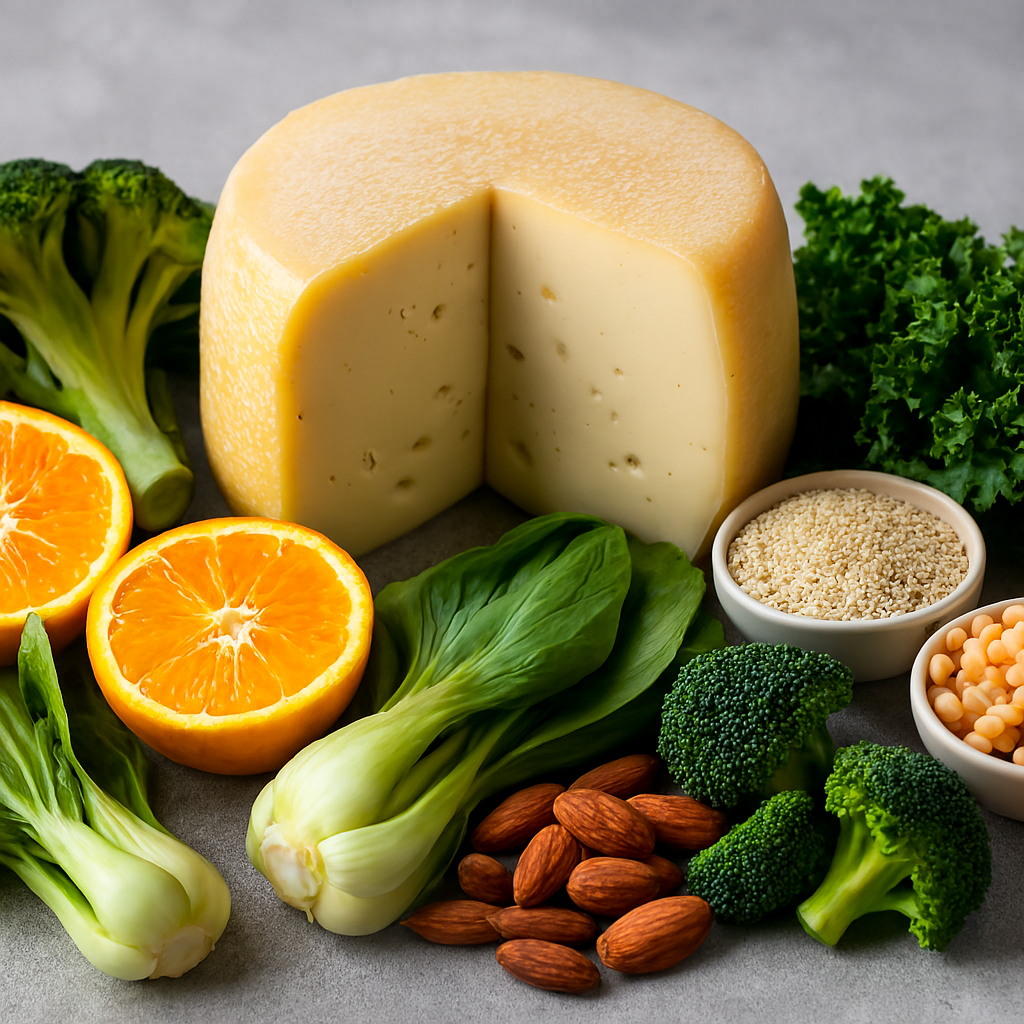
Milk is one of the world’s favourite foods, but it cannot sustain human health alone. Learn why milk-only diets fail, the nutrients it lacks, and plant-based calcium alternatives.