
Ancient Reverence
In ancient Egypt, cats of all colors were sacred, linked to the goddess Bastet, protector of the home. Black cats were especially revered, believed to guard against evil spirits and bring fertility and prosperity. Killing a cat was punishable by death — a sign of how deeply they were valued.
The Middle Ages: Fear and Demonology
By the 13th century in Europe, the Catholic Church began associating cats with Satan. Their nocturnal habits and glowing eyes made them seem mysterious, even supernatural. Black cats, blending into the night, became prime suspects in tales of witchcraft.
- Witch trials: Cats were accused of being “familiars” — demonic helpers of witches.
- Folklore: Crossing paths with a black cat was said to invite misfortune, especially in England and colonial America.
- Salem Witch Trials: Black cats were often killed alongside accused witches, cementing their reputation as omens of evil.
Halloween and Modern Myths
By the 18th and 19th centuries, black cats had become entwined with Halloween imagery — spooky silhouettes against the moon, companions of witches, symbols of the uncanny. This imagery persists today, reinforcing the idea of bad luck.
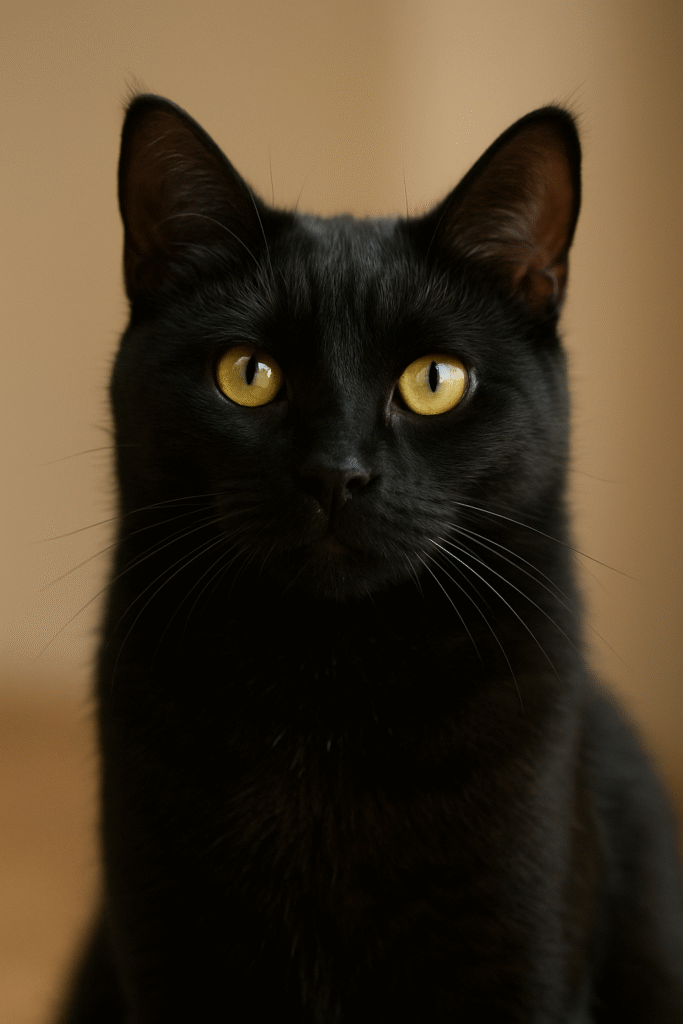
Positive Beliefs Around the World
Yet not all cultures feared them. In fact, many celebrated black cats as good luck charms:
- Japan: Owning a black cat is thought to attract suitors and prosperity.
- United Kingdom: A black cat given to a bride is said to bless her marriage.
- Sailors: British sailors believed black cats ensured safe voyages.
- Scotland: A black cat arriving at your home meant prosperity was on the way.
- Nordic folklore: Black cats were linked to fertility and abundance.
The Surprise Ending
black cats are not unlucky at all — they are lucky. The myth of misfortune is a cultural distortion born of fear and persecution. In truth, across much of history, they were revered as guardians, companions, and symbols of good fortune.
Why We Should See Them Differently
- Shelter myths: It’s often claimed that black cats are adopted less, but studies show they are adopted at similar rates to other cats.
- Modern advocacy: Animal shelters now celebrate “Black Cat Appreciation Day” to counter superstition.
- Reality: A black cat crossing your path is not a curse — it’s a reminder of resilience, mystery, and beauty.
✨ Closing Thought
Black cats are not unlucky. They are survivors of centuries of misunderstanding, carriers of ancient reverence, and symbols of love in many cultures. To see them as cursed is to repeat old fears. To see them as lucky is to honor their true history.
So the next time a black cat crosses your path, don’t flinch. Smile — because you’ve just met one of the world’s oldest symbols of good fortune.
Disclaimer: Kind Health Hub provides content for general informational and educational purposes only. While every effort is made to ensure accuracy, details about products, services, policies, and lifestyle guidance may change over time. Readers should always verify information directly with manufacturers, healthcare providers, or official sources before making decisions. The content does not constitute medical, nutritional, financial, or legal advice, and any recommendations are shared for general guidance only.