The UK is on the brink of the biggest overhaul of disability benefits in more than a decade. Ministers say the system is “unsustainable.” Disabled people say they’re being pushed into deeper insecurity. And somewhere between those two narratives lies the truth — a truth that millions of families urgently need to understand.
The 2025 Disability Benefit Reforms are not just policy tweaks. They represent a fundamental shift in how the government defines disability, assesses need, and allocates support. For many, the stakes couldn’t be higher.
⚖️ What the Government Is Changing — and Why It Matters
The reforms centre around the Pathways to Work programme, a package designed to reduce benefit spending and increase employment among disabled people. But behind the political branding are real‑world consequences.
1. Longer reassessment cycles
The government plans to extend review periods for “stable” conditions to 5–10 years. On paper, this sounds positive — fewer stressful assessments. But the catch? The definition of “stable” is still unclear, and many fluctuating conditions risk being misclassified.
2. New eligibility thresholds
This is the most controversial element. The government is reviewing what counts as a “disabling condition,” with particular focus on:
- chronic pain
- musculoskeletal conditions
- mental health conditions
- neurodivergence
This has sparked fear among people with fibromyalgia, hypermobility, osteoarthritis, ADHD, autism, and anxiety disorders — groups already facing stigma and misunderstanding.
3. A shift toward ‘work‑readiness’
Instead of assessing how a condition affects daily life, the new model leans toward:
- ability to work
- potential to work
- access to treatment
This risks penalising people whose conditions are invisible, unpredictable, or poorly understood.
4. Treatment‑based support instead of cash
Some proposals suggest replacing parts of PIP with:
- therapy
- physiotherapy
- employment coaching
- digital mental health tools
Support is welcome — but not when it replaces essential financial help.
🧠 Who Will Feel the Impact First?
The reforms disproportionately affect people with:
- Fluctuating conditions (ME/CFS, fibromyalgia, long COVID)
- Chronic pain (arthritis, hypermobility, back conditions)
- Mental health conditions (anxiety, depression, PTSD)
- Neurodivergence (ADHD, autism)
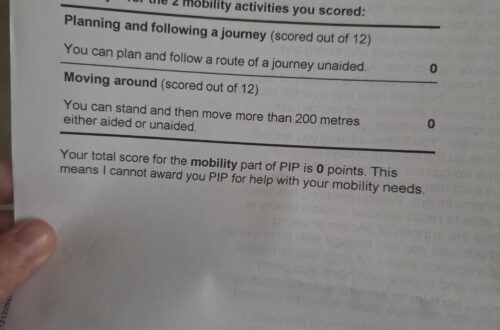
These groups already face some of the highest rates of PIP refusals and tribunal appeals. Tightening criteria risks pushing them further into hardship.
📉 Why the Government Is Doing This
Disability benefit spending is projected to rise from £51 billion in 2023 to £70 billion by 2030. The government argues that:
- too many people are being signed off work
- mental health claims have risen sharply
- the system needs to “rebalance” toward employment
But critics say this framing ignores:
- NHS waiting lists
- workplace discrimination
- the rise in chronic illness
- the impact of long COVID
- the collapse of social care
You cannot push people into work when the support structures around them are broken.
⚠️ What Disabled People’s Organisations Are Warning
Campaigners say the reforms risk:
- increased poverty
- higher appeal rates
- more mental health crises
- greater pressure on carers
- a widening disability employment gap
They argue that the government is focusing on reducing claimant numbers rather than improving disabled people’s lives.
🧭 What Readers Can Do Right Now
Here are practical steps your audience can take:
1. Keep medical evidence up to date
Letters, reports, symptom diaries — everything helps.
2. Follow trusted disability rights organisations
They will publish updates as the reforms progress.
3. Share lived experiences
Stories change policy. Silence protects no one.
4. Contact MPs
Especially in areas like East Sussex, where disability rates are above average.
5. Prepare early for reassessments
Even if your review date is years away.
🌟 Final Thoughts: Disabled People Deserve Better Than Uncertainty
The 2025 reforms are being sold as “modernisation,” but for many disabled people, they feel like a tightening of the net. A system built on mistrust cannot deliver dignity. A system built on fear cannot deliver fairness.
Disabled people deserve stability, respect, and support — not shifting goalposts.