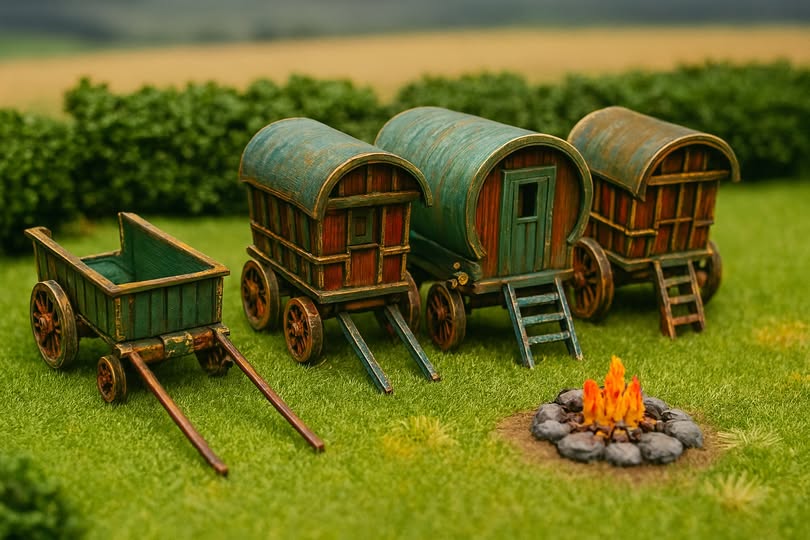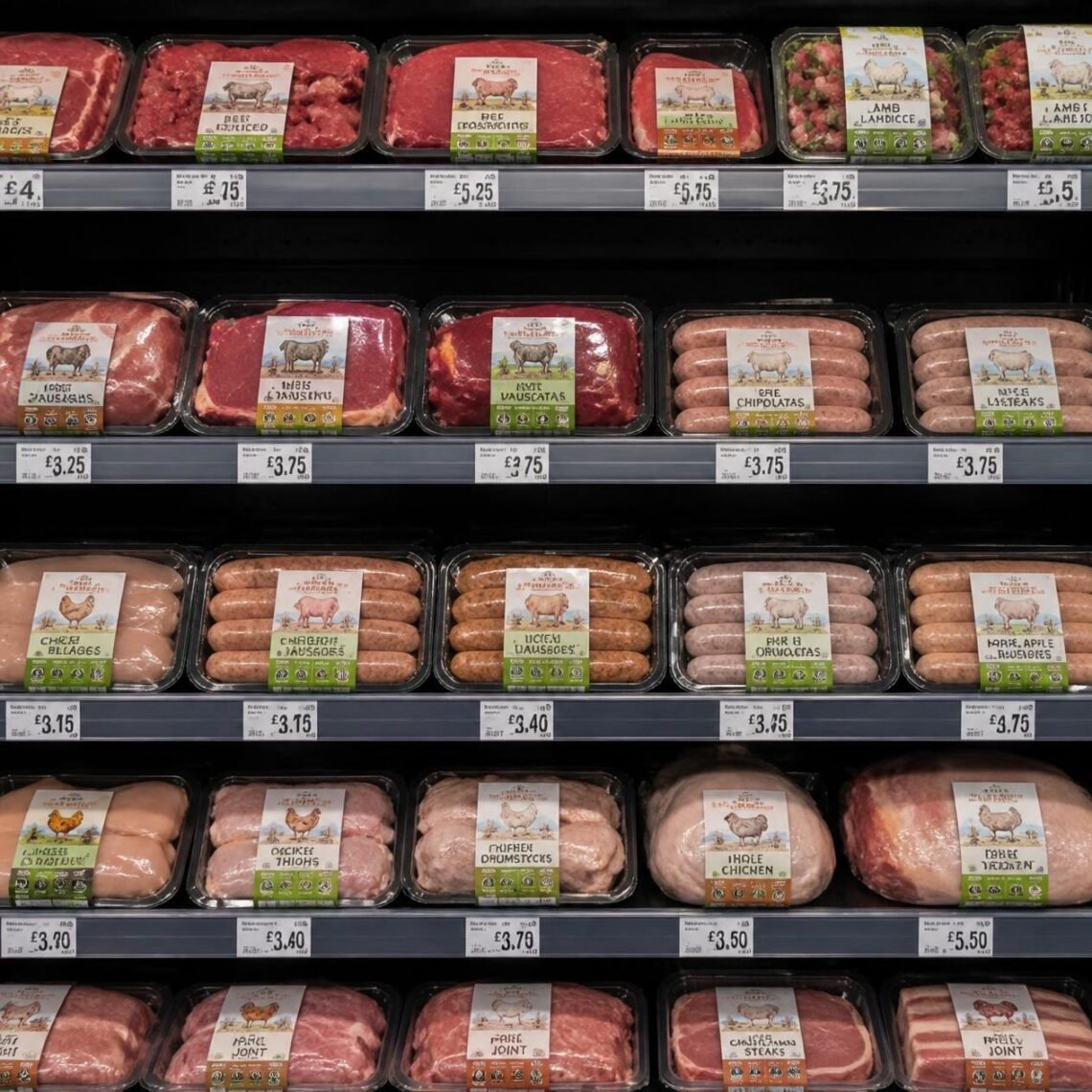
UK supermarkets are filled with smiling cows, rolling hills, and idyllic farm scenes.
This article argues that pastoral packaging creates a sense of health, purity, and wholesomeness that consumers prefer, even when the reality of modern farming is far more industrial. It explores how these visuals shape perception, why shoppers gravitate toward them, and why this fantasy persists.
The Fantasy We Buy Into
Walk through any UK supermarket and you’ll see it everywhere: cheerful cows, bright green fields, rustic barns, and cartoonishly perfect farms. These images are so familiar that most shoppers barely register them. But they raise an interesting question.
Why do we keep seeing this fantasy?
My argument is simple: food packaging shows idyllic farm scenes because consumers feel better about buying products that look natural, clean, and wholesome.
Not because they’re reflecting the truth, or thinking about animal welfare. Because they’re thinking about health.
The imagery creates a comforting story about the product — and about the person buying it.
The Vegan Critique — And What It maybe Misses
Animal Right’s often argue that pastoral imagery hides the reality of factory farming. Their claim is that packaging sanitises cruelty and misleads shoppers. That perspective is understandable, but I think it overlooks something deeper.
In my view, the imagery isn’t primarily about ethics. It’s about how consumers want to feel.
People don’t avoid industrial farming imagery because they’re worried about animals. They avoid it because industrial processes feel:
- unhealthy
- contaminated
- artificial
- unsafe
A smiling cow doesn’t say “this animal lived well”. It says “this product is wholesome”.
That’s the angle I believe deserves more attention.
The Health Halo Effect: Why Happy Animals Feel ‘Better for You’
There’s a well‑known psychological phenomenon called the health halo effect — when certain visuals make a product seem healthier than it is. I think pastoral imagery taps into this instinct.
Elements like:
- green fields
- sunshine
- smiling animals
- rustic fonts
- kraft paper textures
- phrases like “farm fresh”, “local”, “natural”, “British”
all contribute to a sense of purity and safety.
I’m not claiming these visuals were deliberately engineered for this purpose — only that this is how they function in the mind of the consumer.
They create a feeling of health, even if the reality behind the product is far more industrial.
Why People Prefer the Fantasy
Most shoppers know, at least vaguely, that modern farming is industrial. But they don’t want to think about it while choosing dinner. Not necessarily because they don’t care about animals — but because it disrupts the feeling that they’re buying something healthy.
Industrial imagery suggests:
- chemicals
- overcrowding
- disease
- poor hygiene
- low nutritional value
Pastoral imagery suggests:
- freshness
- cleanliness
- naturalness
- safety
- nutritional goodness
In my view, the fantasy protects the consumer’s self‑image. It lets them believe they’re making a wholesome choice.
A picture of an animal in grazing the sunshine looks healthier than a photo of one in a factory.
Food packaging doesn’t just sell a product. It sells a story to the person buying it.
The happy cow says: You’re choosing something natural. You’re choosing something healthy. You’re choosing something good.
This is why I think the imagery persists — and why it works so effectively across the UK market.
A fresh angle.
Packaging is often debated in the media. Most commentary focuses on:
- animal rights
- sustainability
- cruelty
- carbon footprint
But very few articles explore the health signalling behind pastoral imagery. This argument reframes the conversation:
The fantasy isn’t hiding cruelty — it’s hiding industrial reality because consumers prefer to believe their food is healthier than it is.
It’s cultural commentary, not a vegan‑versus‑meat‑eater argument. It’s provocative, but grounded. And it speaks directly to the psychology of everyday UK shoppers, and helps to make purchasing decisions that align to our instincts underlying our food purchasing choices.
I am not saying factory-farmed foods are unhealthy as such, but for consumers, I don’t believe it would be a first choice to custmers in making health-conscious purchases.
A Final Thought: The Fantasy Only Works Because We Already Believe It
There’s one more instinctive element in all of this — something most of us feel without ever saying out loud. We tend to believe that the way an animal is raised shapes the quality of the meat. Outdoor‑grazed, pasture‑fed, slow‑grown animals feel healthier to us than anything produced in an industrial shed. It’s a cultural intuition as old as farming itself.
And that intuition is exactly why the fantasy on packaging lands so well.
When we see rolling hills and calm animals, it aligns with what we already assume: better farming equals better food, and better food equals better health.
Whether that’s always true or not is another question entirely — but the belief is there, quietly guiding our choices.
Which raises a simple, practical point: if we instinctively link farming methods to our own wellbeing, perhaps it’s time we looked more closely at where our meat actually comes from. Perhaps even check out the brands, farms, or factory farms behind the labels online.
Not out of guilt, not out of ideology, but because the story behind our food ultimately underpins our belief about our health. After all, you are what you eat!
Of course, this is only one way of looking at the imagery we see on supermarket shelves. It’s not a claim about how companies design their packaging, but an argument about how consumers respond to it — and why that response matters for our health and purchasing decisions.
Image is for illustrative purposes only & is AI-generated